


Cherry Pie Strain: Between Fruity Aroma and Deep Relaxation
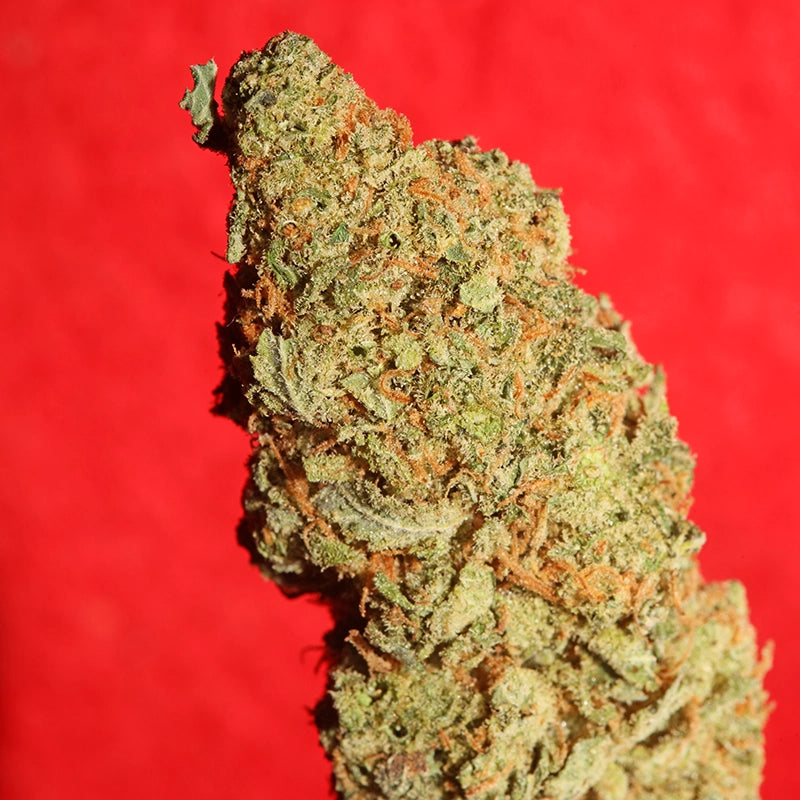
 Indica-dominant (ca. 80 %)
Cherry Pie Strain Highlights
Parents
Taste & Smell
Effect
Terpenes

The key facts at a glance:
1. The origin of the Cherry Pie strain
Discover the Californian roots of Cherry Pie – a legendary cross with a fascinating history, a mysterious breeder and an influence on some of the best-known strains of our time.
Learn more
2. Genetics, taste and effect of Cherry Pie
Find out how Cherry Pie impresses both in taste and effect thanks to its balanced THC content, its multi-layered terpene profile and its indica-dominant genetics.
Learn more
3. Growing the Cherry Pie strain correctly
Learn how, with a little know-how, the right seeds and a good setup, you can unlock the full potential of the Cherry Pie genetics – from the first seedling to the harvest.
Learn more
4. Effect, THC content & legal situation 2026
Sativa or Indica, THC content, duration of effect – and what the legal situation in Germany is.
Learn more
Cherry Pie strain – briefly explained
Cherry Pie is an indica-dominant hybrid (approx. 80 % Indica) from Granddaddy Purple and Durban Poison. According to lab values from individual batches, the THC content is around 16 to 24 %. Users describe the effect as relaxing, happy and balancing. The aroma is sweet, cherry-like and spicy. The flowering time is around 8 to 9 weeks.
Cherry Pie sounds like a dessert at first – but behind the sweet name is one of the most popular hybrid strains around. The Cherry Pie strain has made a real name for itself over the past few years – especially among those looking for a mix of cerebral clarity and physical relaxation.
Whether it's a chilled evening with friends, creative hours or simply time for yourself: Cherry Pie can be just the right thing in many moments. But what's really behind this cannabis strain that not only smells fruity but also brings a fairly balanced effect?
In this article you'll learn what makes Cherry Pie so special, how the cross between Granddaddy Purple and Durban Poison came about, what to look out for when growing – and why it's far more than just a sweet hype.
The origin of the Cherry Pie strain
Cherry Pie is no accident – behind this strain lie genuine breeding skill and a keen nose for what cannabis lovers are looking for. Its story begins in California's Bay Area, a region already known for many groundbreaking strains. It was here that Cherry Pie first became popular in the early 2010s – and not without reason.
The strain is regarded as a cross of two real heavyweights: Granddaddy Purple – known for its relaxing effect and striking violet appearance – and Durban Poison, a pure Sativa with an energising effect. This combination produces an exciting genetic mix that shows its effect both physically and mentally.
The breeder behind Cherry Pie is known by the pseudonym „Pieguy“, who is said to have been involved in its development together with the legendary Cookie Fam collective. Some sources suspect that Cherry Pie was even an early pioneer for other popular strains such as Girl Scout Cookies, or at least closely connected to their development.
Originally available mainly in Californian dispensaries, Cherry Pie quickly spread beyond the West Coast thanks to its unique aroma and versatile effect – and today it's a global name among cannabis strains.
Our product recommendations for a more pleasant smoking experience

Genetics, taste and effect of Cherry Pie
Anyone using Cherry Pie for the first time quickly notices: this strain has character. Even visually it stands out with its compact, resin-rich buds, which often shimmer violet and point to its genetic depth. But what's particularly remarkable is the combination of intense aroma, clear effect and stable, Indica-leaning genetics that's valued in the community.
The THC content of Cherry Pie averages 15 to 25 % – making it one of the more potent cannabis strains, yet it remains easy to keep under control with a carefully chosen dose. Users often report an uplifting effect accompanied by pleasant physical relaxation. This makes it versatile – both in quiet moments and in situations that call for gentle mental stimulation.
In terms of flavour, Cherry Pie shows its fruity side: berry aromas paired with earthy and spicy nuances shape the profile. The strain owes this aromatic depth not least to its terpene mix of myrcene, caryophyllene and limonene, which support both the taste and the effect.
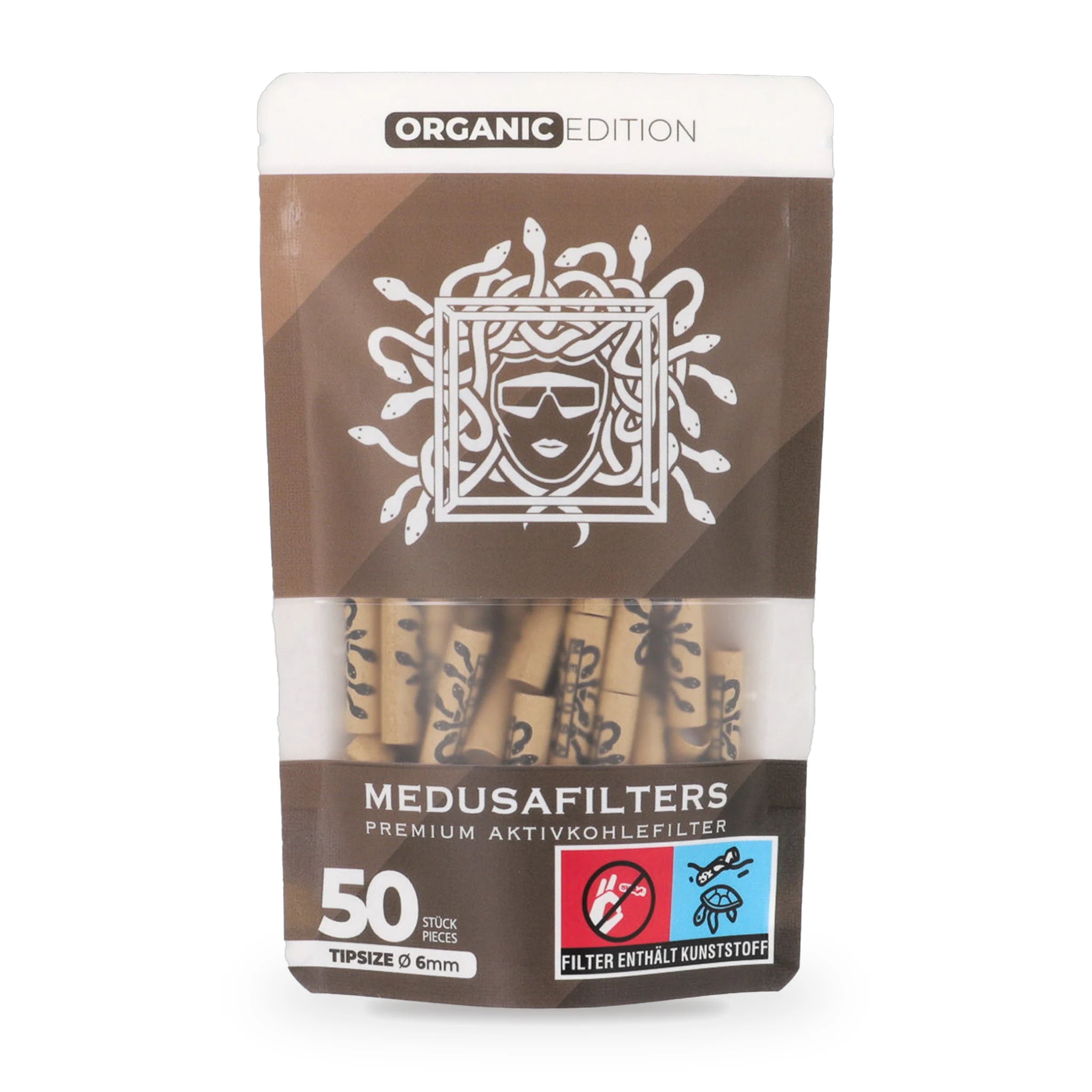
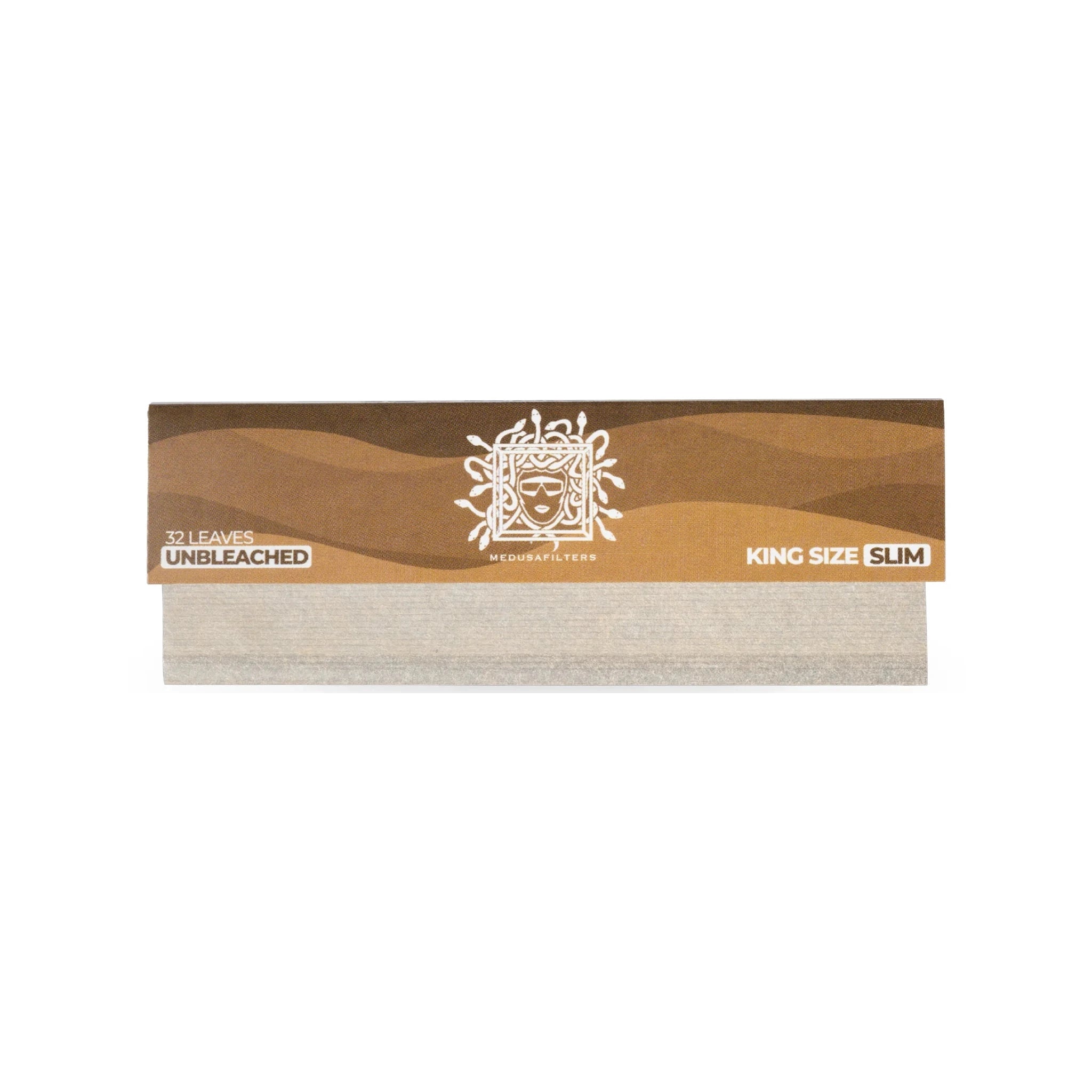
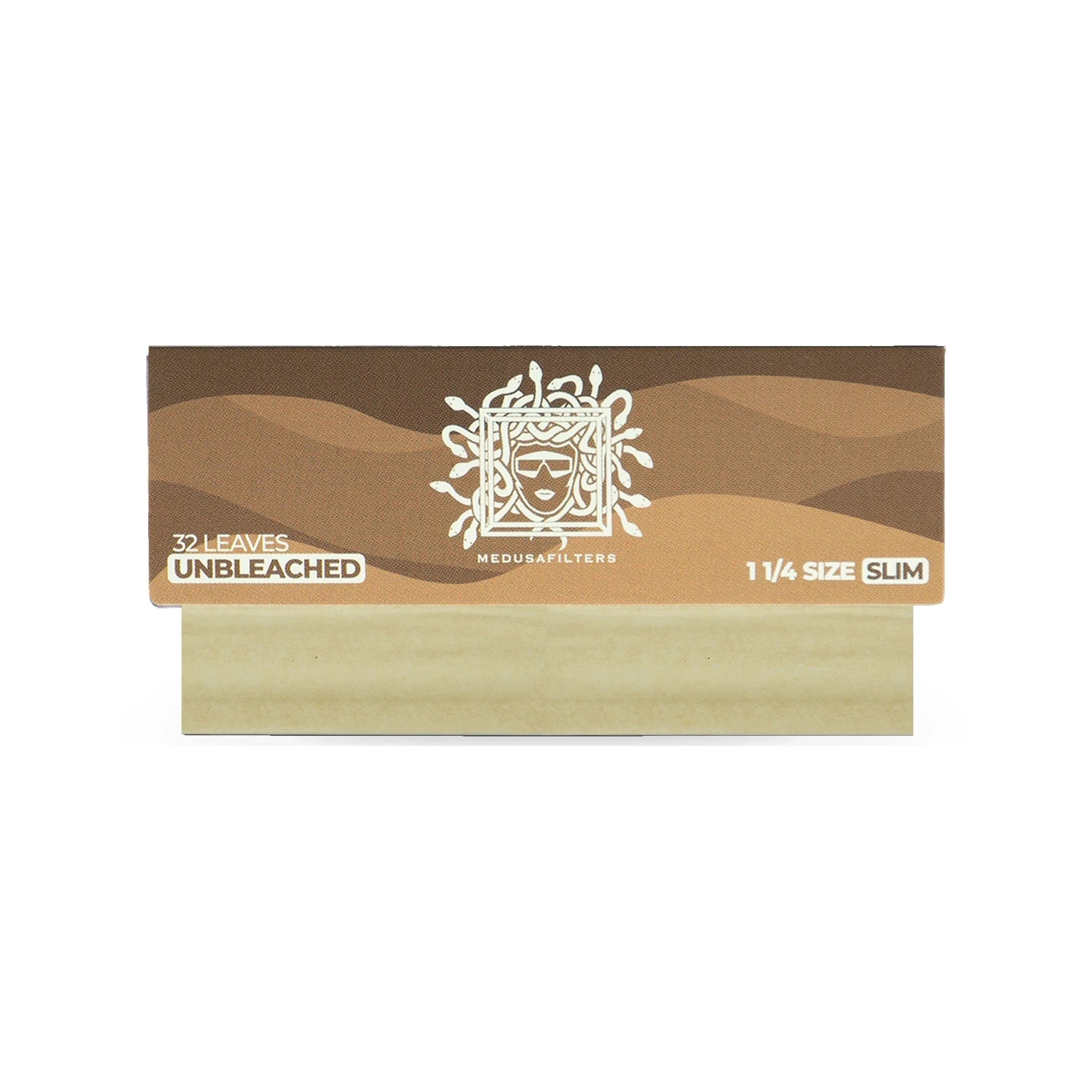
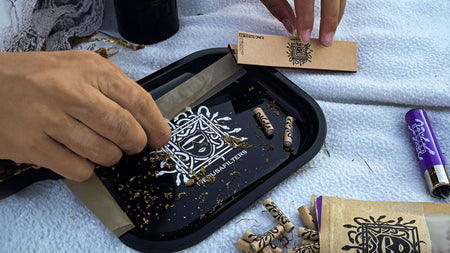
To bring out the aroma profile as clearly as possible, the right accessories also play an important role. The Premium Papers from Medusafilters, for example, ensure an even burn – without any distracting off-notes. In addition, the activated carbon filters from Medusafilters offer a good way to reduce unwanted pollutants without distorting the flavour – a sensible choice especially with a high-THC strain like Cherry Pie.
Growing the Cherry Pie strain correctly
Anyone considering growing Cherry Pie will find a stable and relatively low-maintenance strain that's suited to both indoor and outdoor setups. Thanks to its genetics it stays compact while still delivering a decent yield per plant. For your plants to reach their full potential, a few key basics matter – here are the most important steps:
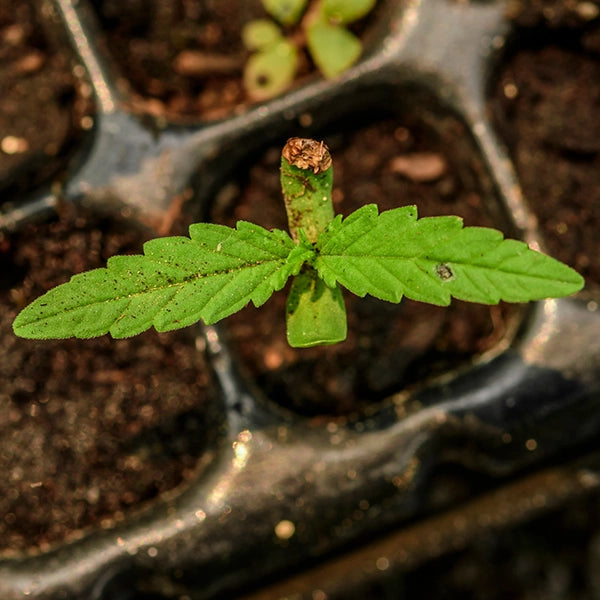
1. Create the right environment:
Cherry Pie loves it warm and constant. Indoor grows allow better control over temperature, humidity and lighting – ideal for even, healthy growth. Outdoors you should aim for a climate that's as sunny and dry as possible, or opt for a sheltered greenhouse to minimise weather-related risks.
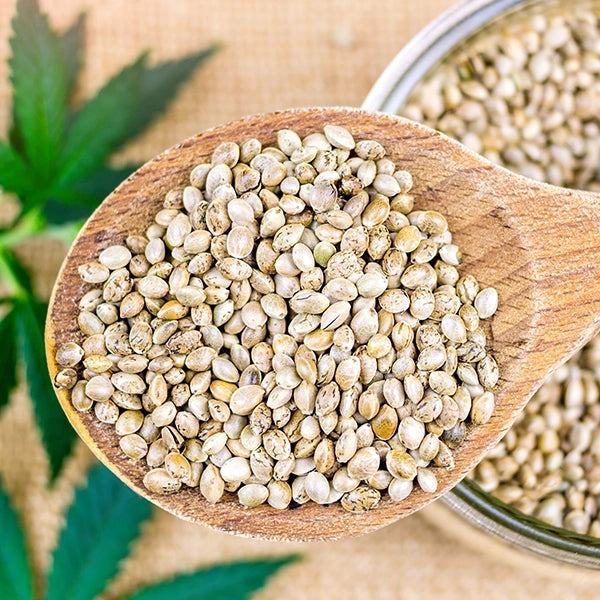
2. Choose the right seeds:
Feminised Cherry Pie seeds are the first choice if you want to be sure of getting only female plants. If you prefer something straightforward, you can also go for automatic seeds – this often shortens the flowering time, although the aroma may turn out a little less intense.
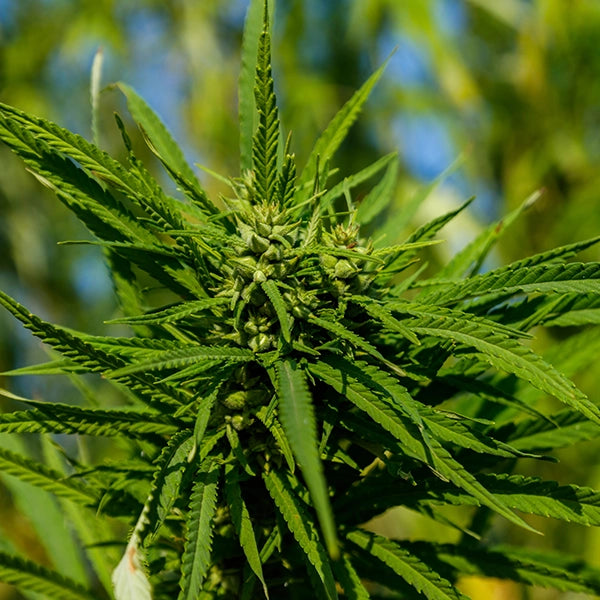
3. Support the growth phase:
During the growth phase, Cherry Pie develops strong, sturdy shoots. Make sure to provide even lighting (18 hours of light per day) and a balanced nutrient supply. Gentle techniques such as Low Stress Training (LST) or topping can help the plant grow bushier and thus increase the yield.
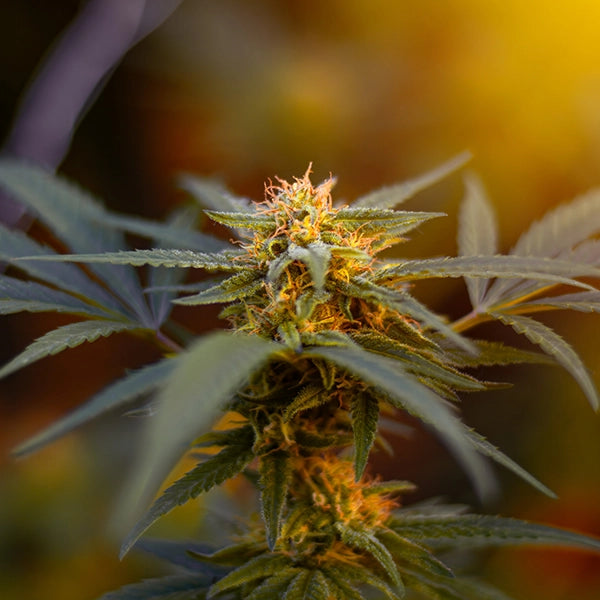
4. Time the flowering phase correctly:
After switching to 12/12 lighting, flowering begins, which lasts around 8–9 weeks with Cherry Pie. During this time you should keep the humidity low to prevent mould. The buds become denser and start to develop their typical berry terpene profile – intense scent included.
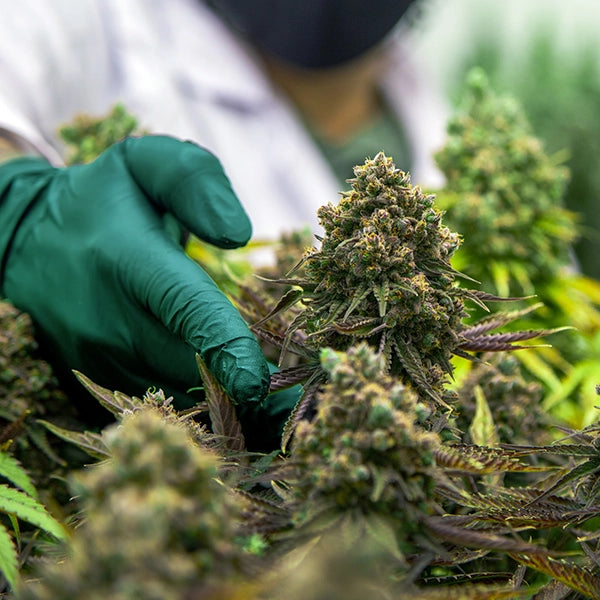
5. The perfect time to harvest:
When around 70–80 % of the trichomes are milky and a small proportion amber, you can reach for the scissors. If you prefer a more uplifting effect, you can harvest a little earlier – for stronger physical relaxation, a later cut helps.
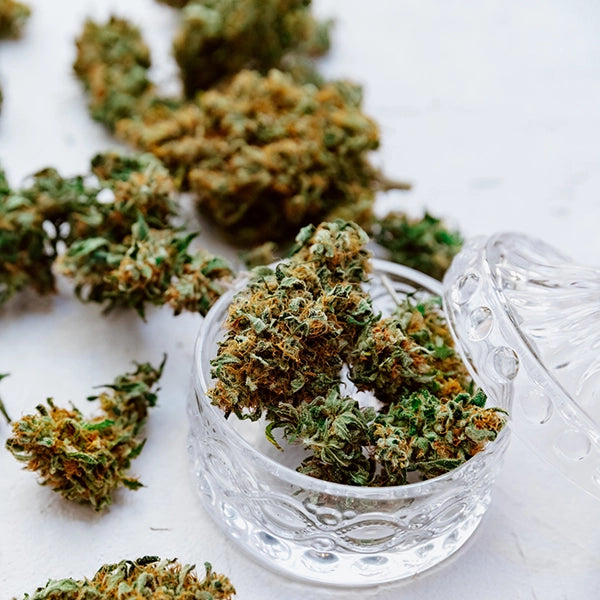
6. Drying, curing – and paying attention to quality:
After the harvest comes gentle drying at 18–20 °C. Afterwards you should cure your Cherry Pie buds for at least two weeks so that the aromas and terpenes can fully develop. A calm, dark environment and regular airing of the jars are crucial here.
Whether indoors or outdoors – with the right planning and a little patience, Cherry Pie delivers an impressive blend of looks, potency and scent profile. Especially for growers who have already gained some initial experience, it's an exciting strain with a lot of potential.
Is the Cherry Pie strain legal in Germany? (As of 2026)
In Germany, cannabis has been legal for adults within clear limits since the Consumption Cannabis Act (KCanG) came into force on 1 April 2024 – unchanged as of 2026. The most important key points:
- Possession: up to 25 g when out and about, up to 50 g at home.
- Home cultivation: up to 3 plants per adult, protected from access by minors.
- Consumption bans: not within sight of schools, children's and youth facilities, playgrounds and sports grounds.
- Passing on & sale remain prohibited.
This is a general overview and not legal advice. These limits do not apply to accessories such as filters, papers or grinders – smoking accessories are freely available.
FAQs about the Cherry Pie strain
Want to deepen your knowledge of the Cherry Pie strain a little more? Maybe you've already taken away a fair bit while reading the article – but a few questions still remain open. No problem: here you'll find the answers to topics that often get overlooked but are definitely worth knowing.
Cherry Pie is an indica-dominant hybrid. The profile lists around 80 % Indica, while individual seed banks put it closer to 60 % Indica to 40 % Sativa. The strain comes from crossing Granddaddy Purple and Durban Poison. Regardless of the exact percentage, Cherry Pie is consistently considered indica-leaning with a relaxing, balancing character.
According to lab values from individual batches, the THC content of Cherry Pie is usually between about 16 and 24 %, averaging around 20 %. Some particularly potent phenotypes are advertised at up to 25 %. The CBD share remains low, mostly under 1 %. The actual values depend on genetics, cultivation and processing and cannot be generalised.
Users describe the effect as relaxing, happy and balancing, often calm rather than strongly sedating. When smoked or vaporised, the effect usually sets in within a few minutes and fades over about one to three hours; taken orally, it begins later and lasts longer. Duration and intensity depend on dosage, form of consumption and individual tolerance. Cherry Pie is intended exclusively for adults.
Indoors, the flowering time of Cherry Pie is around 8 to 9 weeks. Outdoors the strain is usually ready to harvest from early to mid-October, depending on the climate. At about 100 to 120 cm the plants stay compact and form dense, resinous flowers. These figures are guide values from individual grows and can vary depending on conditions. Cultivation only within the legally permitted framework.
Cherry Pie can be suitable for beginners, because many users describe the effect as rather calm and balancing instead of overwhelming. With 16 to 24 % THC, however, the strain is not weak, so the rule is: start low and wait for your own reaction. For growers, too, Cherry Pie is considered comparatively straightforward. Consumption exclusively for adults and within the legally permitted framework.
For the full cherry flavour, the right accessories are worth it: a grinder breaks up the resinous flowers evenly, high-quality papers ensure a clean burn, and an activated carbon filter noticeably cools and smooths the draw. The resin-rich Cherry Pie in particular benefits from an activated carbon filter from Medusafilters, which reduces pollutants and makes the aroma softer. This helps preserve the fruity character better.
Perhaps also interesting for you?

Our Medusafilters conclusion
It's not without reason that Cherry Pie is among the better-known cannabis strains, winning over both experienced users and curious beginners time and again. Its indica-dominant genetics deliver a balanced combination of physical relaxation and mental clarity – perfect for anyone looking for a strain that neither overwhelms nor bores. Especially in moments when you want to wind down but not completely switch off, Cherry Pie can be the right choice.
In terms of aroma, the strain plays in the top league: berry-like sweetness meets earthy depth, accompanied by slightly spicy notes. The terpenes myrcene, caryophyllene and limonene not only provide the characteristic scent but also support the effect – which is described as uplifting, slightly energetic and calming at the same time. This profile makes Cherry Pie a versatile strain, whether for relaxed afternoons or creative evenings.
Anyone who pays attention to keeping consumption as clean as possible can get a lot out of the strain. High-quality accessories in particular, such as the Premium Papers from Medusafilters, help to bring out the aroma profile unadulterated. Combined with the activated carbon filters from Medusafilters, the smoke can be made even smoother – without losing the typical Cherry Pie nuances.
Sources:
1. https://leafwell.com/cannabis-strains/cherry-pie
Is Cherry Pie Sativa or Indica?
Cherry Pie is an indica-dominant hybrid with around 80 % Indica and arose from crossing Granddaddy Purple and Durban Poison.
Cherry Pie is one of the best-known indica-dominant hybrids and arose from crossing Granddaddy Purple and Durban Poison. The profile clearly places the Cherry Pie strain on the Indica side (approx. 80 % Indica), even though individual seed suppliers put the split closer to 60 % Indica to 40 % Sativa. So the sources differ on the exact percentage, but as a tendency Cherry Pie is consistently regarded as indica-leaning. This shows above all in the effect profile, which users describe as physically relaxing and balancing, while the Durban Poison share contributes a slightly clear, alert note. The Cherry family has also produced close relatives such as the Cherry Pie Cookies strain (a cross with Girl Scout Cookies) and Cherry Pie Kush, which carry on the fruity character of the original Cherry strain. Anyone looking for an indica-leaning but not completely sedating strain will find in Cherry Pie a typical representative of this group.
How high is the THC content of Cherry Pie?
According to lab values from individual batches, the THC content of Cherry Pie is usually between about 16 and 24 %, averaging around 20 %.
As with any cannabis strain, the THC content is not a fixed figure but depends on genetics, growing conditions, harvest time and processing. For the Cherry Pie strain, most sources cite a range of around 16 to 24 % THC, and individual seed banks even advertise up to 25 % for particularly potent phenotypes. A value of around 20 % has established itself as a realistic average. The CBD share, by contrast, is low and usually under 1 %, which is why the effect profile is clearly shaped by THC. Important: these figures refer to lab values from individual batches and cannot be applied across the board to every product. Related lines such as Cherry Pie Kush or the Cherry Pie Cookies strain can reach different values due to their additional parents (such as Bubba Kush or Girl Scout Cookies). In concentrated form, too, for example as Cherry Pie hash, the THC content is naturally much higher than in the flower.
How does Cherry Pie affect you and how long does the effect last?
Users describe the effect of Cherry Pie as relaxing, happy and balancing; the noticeable effect usually lasts around one to three hours.
As an indica-dominant strain, Cherry Pie is often associated in user reports with a physically relaxing yet mood-lifting feeling. Many consumers describe a soft, balancing onset that feels calm rather than strongly sedating and is therefore valued for relaxed evenings. For some users, the Durban Poison share provides a slightly clear, talkative note at the start. How quickly and how intensely the effect sets in depends on dosage, form of consumption and individual tolerance. When smoked or vaporised, the effect usually sets in within a few minutes and tapers off over one to three hours; with oral intake it can begin later and last longer. Besides THC, the terpenes myrcene, limonene and caryophyllene are mainly responsible for the interplay. It's important to note that these are subjective experiences and that Cherry Pie is intended exclusively for adults. Anyone trying the strain for the first time should dose low and wait for their own reaction.
How long is the flowering time of Cherry Pie?
The flowering time of Cherry Pie is around 8 to 9 weeks indoors; outdoors the strain is usually ready to harvest from early to mid-October.
Cherry Pie is considered a comparatively straightforward and fast-maturing strain, which also makes it interesting for less experienced growers – of course only within the legally permitted framework. Indoors, according to consistent reports, the flowering time is about 8 to 9 weeks. In outdoor cultivation the harvest is usually given as early to mid-October, depending on the climate. At around 100 to 120 cm the plants stay rather compact and form dense, resinous flowers with often violet accents that go back to the Granddaddy Purple heritage. Yield figures vary depending on the source and conditions; under good lighting some suppliers cite up to around 450 g/m² indoors. As this is a photoperiodic genetic, flowering is controlled via the light cycle. For even results, stable temperatures, good air circulation and controlled humidity towards the end of flowering are helpful, because the dense buds are otherwise more prone to moisture problems. Specific values always count as guide values from individual grows and can vary.
How does Cherry Pie taste and smell?
Cherry Pie tastes and smells sweet and cherry-like with a spicy-earthy note – a profile that gave the strain its name.
The aroma of the Cherry Pie strain is reminiscent of sweet cherry pastry: fruity cherry notes dominate, complemented by spicy, slightly earthy and sweetly vanilla nuances. It's precisely this scent of freshly baked Cherry Pie that earned the strain its name. Responsible for the profile is above all the interplay of the terpenes: myrcene provides earthy-herbal depth, limonene contributes a fresh citrus and fruit note, and caryophyllene brings the typical spicy-peppery sharpness. When vaporised at lower temperatures, the sweet cherry notes often come through more clearly, while higher temperatures emphasise the spicy components. Thanks to its high resin content, Cherry Pie is also a popular base for extracts and is readily processed into Cherry Pie hash, which concentrates the fruity aroma. Anyone who wants to make the most of the full flavour pays attention to proper storage so that the delicate terpenes are preserved. How intensely individual notes are perceived is ultimately individual and also depends on the respective phenotype.