


Mango Kush: The Tropical Hybrid for Connoisseurs & Growers
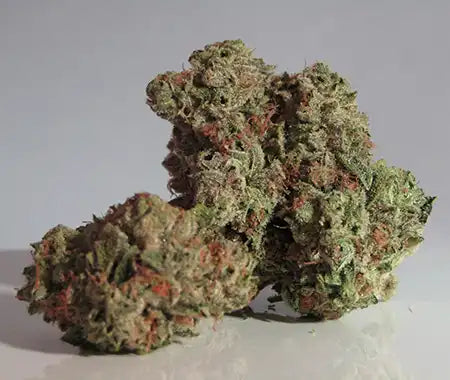
 Hybrid (Indica-dominant, 65 %)
Mango Kush Strain Highlights
Parents
Taste & Smell
Effect
Terpenes

The key facts at a glance:
1. The Origin of Mango Kush
Learn how Mango Kush emerged from the unique combination of Mango and Hindu Kush, and why this tropical strain is so popular worldwide.
Learn more
2. The Genetics of Mango Kush
Discover how Mango Kush, with its tropical aroma, balanced THC content and relaxed, sociable vibe, becomes the perfect strain for countless occasions.
Learn more
3. Growing Tips for Mango Kush
Find out why Mango Kush impresses not only with its flavour but is also ideal for growers thanks to its straightforward growth structure and high yields.
Learn more
4. Effects, THC Content & Legal Status 2026
Sativa or Indica, THC content, duration of effects – and what the law says in Germany.
Learn more
Mango Kush – explained in brief
Mango Kush is an Indica-dominant hybrid (approx. 65 % Indica, 35 % Sativa) with a THC content of around 16–22 %. The strain tastes intensely of ripe mango, sweet tropical fruits and earthy Kush notes. The effect is considered relaxing and mood-lifting, often with a gentle head high that transitions into physical calm. When cultivated, the flowering time is typically 8–10 weeks.
Anyone who loves cannabis with an exotic aroma and a relaxing effect can't ignore Mango Kush. This strain combines the sweet, fruity terpene profile of ripe mangoes with the characteristic Kush notes, delivering an effect that both calms and pleasantly uplifts. Thanks to its balanced Indica-dominant genetics, Mango Kush is ideal for anyone looking for a relaxed smoking experience without being pushed straight into the couch.
But it's not just the flavour that convinces – Mango Kush also scores points when it comes to cultivation, with its robust nature and a comparatively short flowering time that make it particularly attractive to home growers. But where exactly does this strain come from? And why did it make a name for itself in the cannabis scene so quickly? In this blog article we answer exactly these and many other exciting questions about Mango Kush.
The Origin of Mango Kush
Mango Kush is a strain with unclear origins, yet its genetic foundation speaks for itself: it emerged from a cross of Mango and Hindu Kush, two legendary strains with strong individual characteristics. While Mango is known for its sweet, tropical taste, Hindu Kush brings robust resilience and a calming Indica effect to the mix.
Although it is not precisely documented where Mango Kush was first bred, the strain is generally believed to have originated in the USA. It spread quickly among consumers and growers especially on the West Coast, where fruity hybrids and Kush varieties gained great popularity early on.
The strain rapidly attracted attention in dispensaries and coffee shops, not only because of its distinctive aroma but also because of its gentle yet clearly present Kush character. Its tropical scent paired with the typical earthy Kush base made it a sought-after choice for connoisseurs who wanted to combine an exotic taste experience with classic Kush strain traits.
Our product recommendations for a more pleasant smoking experience

The Genetics of Mango Kush
Mango Kush impresses not only with its tropical aroma but also with its relaxing yet sociable effect. With a THC content of 11 to 21 %, this hybrid is among the medium-strong to potent strains that appeal to both experienced and occasional consumers. The effect sets in quickly and begins with a pleasant euphoria that creates a light-hearted, cheerful mood. Mango Kush unfolds its full potential especially in social settings, as many users report a loosening and creative effect that can enhance the social experience.
As it progresses, the Indica share becomes increasingly noticeable and leads to a deep physical relaxation, without immediately turning into an overwhelming heaviness or complete fatigue. This makes Mango Kush an ideal strain for relaxed evenings when you want to switch off but still stay active. In higher doses, however, the relaxing component can come more strongly to the fore and provide a pleasantly calming body sensation.
In terms of taste, Mango Kush convinces with its exceptionally fruity and sweet aroma that strongly recalls ripe mangoes. This profile is underlined by subtle earthy and spicy notes that lend the strain a certain depth. Its terpenes are made up primarily of myrcene, caryophyllene and limonene. While myrcene is responsible for the typical tropical sweetness, caryophyllene provides a slightly spicy, peppery note, while limonene adds a fresh citrus component. This combination makes Mango Kush a real experience in terms of taste, one that comes into its own especially through slow and mindful smoking.
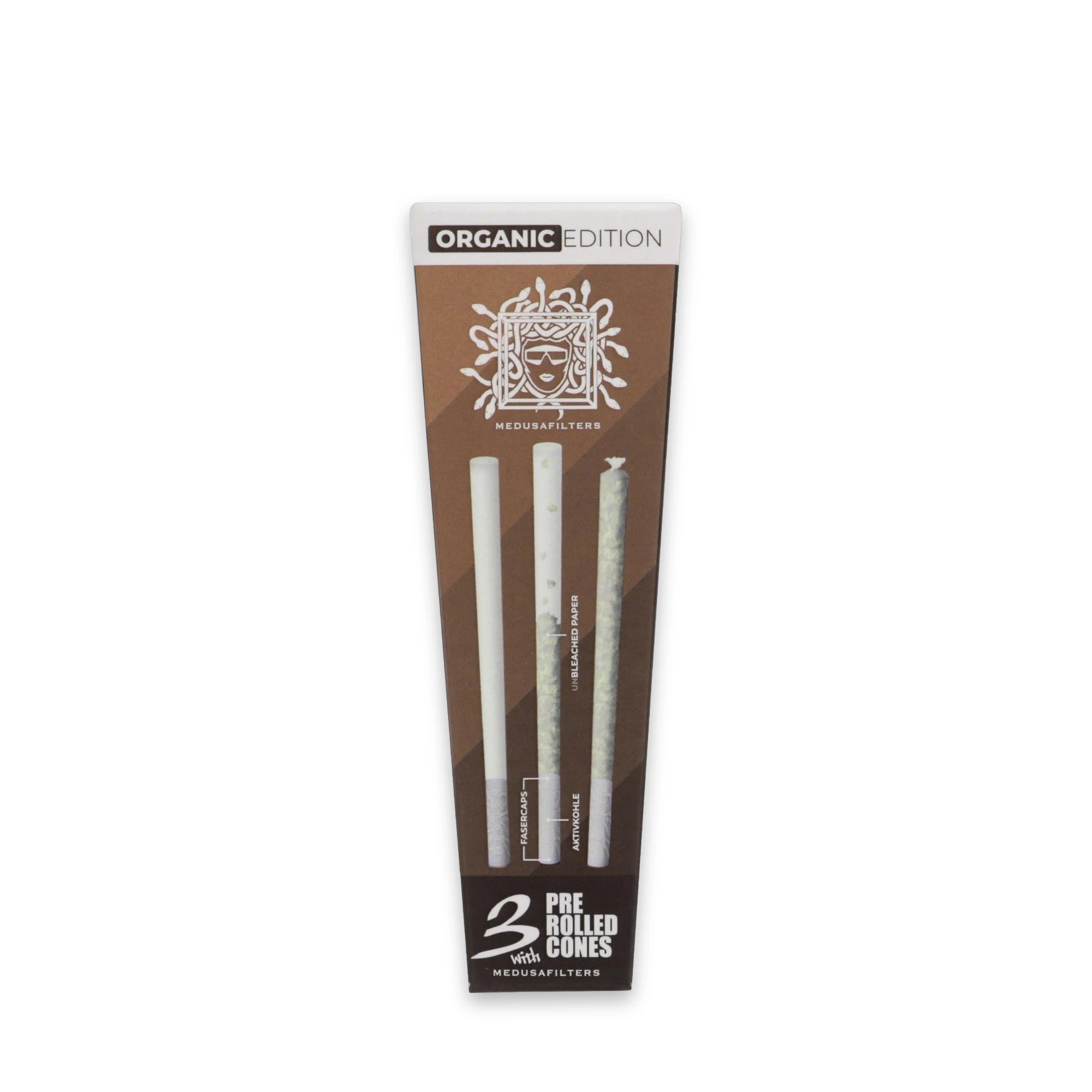
Because of its dense, resinous buds, the smoke of the Mango Kush strain can be relatively intense. Anyone who wants to enjoy the full aroma without feeling smoke that is too harsh can turn to Medusafilters activated carbon filters. These reduce unwanted substances without impairing the variety of flavours. Combined with the unbleached papers from Medusafilters, which ensure a slow, even burn, Mango Kush unfolds its tropical note in a particularly pleasant way.
Growing Tips for Mango Kush
Mango Kush is also known for its robust and low-maintenance nature. However, for the strain to reach its full potential, there are a few decisive factors to keep in mind when growing cannabis. Here are the six most important steps for a successful grow:
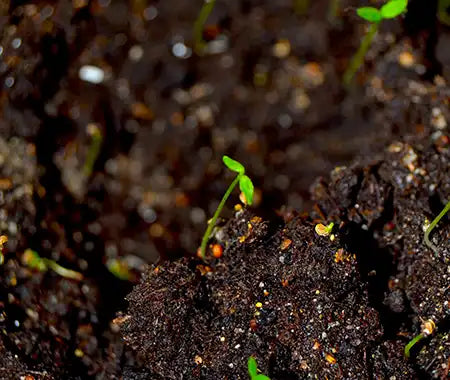
1. Choose the right growing location:
Mango Kush can be grown both indoors and outdoors. When growing Mango Kush cannabis seeds, an indoor grow offers the advantage of optimal control over light, temperature and humidity, which has a positive effect on yield. Outdoors, the plant needs a warm Mediterranean climate with plenty of direct sunlight. Good air circulation is crucial, as the plant forms dense buds that can be susceptible to mould in high humidity.
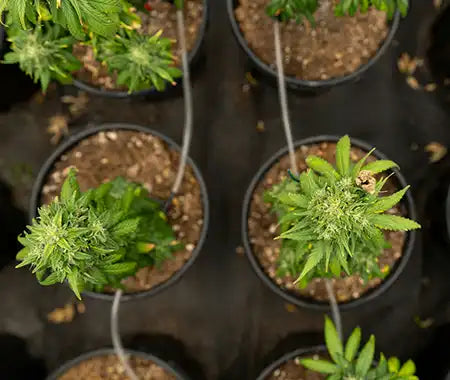
2. Create optimal growing conditions:
The plant thrives best at temperatures between 22 and 27 °C. During the growth phase, humidity should be around 50–60 % to promote healthy development. Once the flowering phase begins, humidity should be lowered to 40–50 % to reduce the risk of mould formation and optimise resin production. Mango Kush forms stable branches that can bear the weight of the compact buds – nevertheless, providing support in the late flowering phase can be worthwhile.
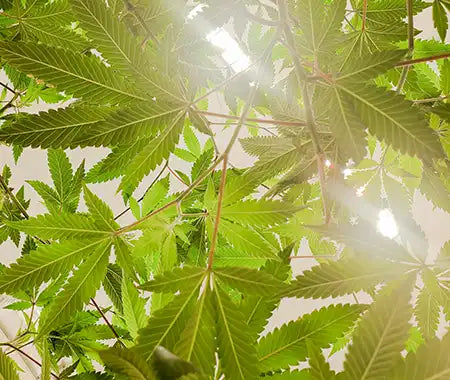
3. Adjust light and nutrient supply:
Indoor growers should rely on strong LEDs or HPS lamps of at least 600W to maximise growth. Outdoors, Mango Kush needs at least 8–10 hours of direct sunlight per day. During the flowering phase, the nutrient focus should be on phosphorus and potassium to make the buds denser and more resinous.
4. Manage the flowering time optimally:
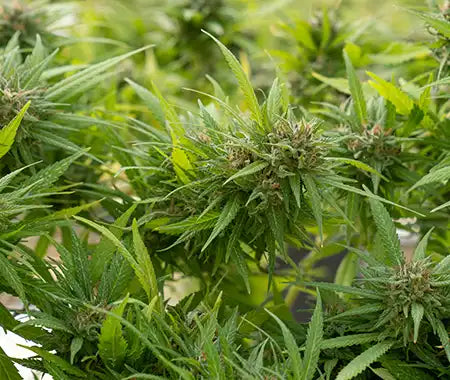
The flowering phase lasts about 8–9 weeks, with Mango Kush being known for its compact, resinous buds. During this time, watering should be slightly reduced to preserve the full terpene profile. Feminised seeds are particularly recommended, as they produce almost exclusively female plants, which maximises yield. Indoors, growers can expect 400–500 g/m², while outdoor yields of up to 600 g per plant are possible.
5. Recognise the right time to harvest:
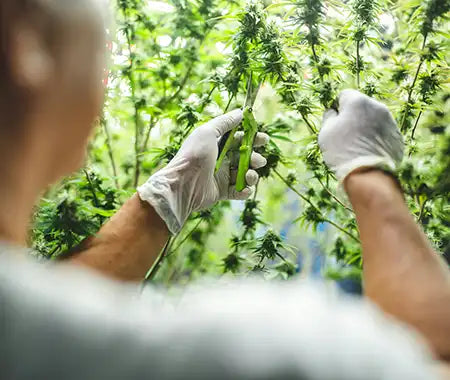
The best results are achieved when the trichomes are milky white to slightly amber – a sign that the plant has reached its optimal maturity. Harvesting too early can reduce the aroma and THC content, while harvesting too late makes the high heavier and sleepier.
6. Drying and curing for maximum flavour:
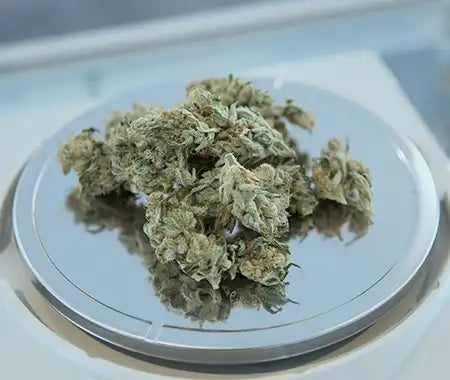
After harvest, the buds should be dried slowly over 10–14 days, ideally at a humidity of 45 to 55 %. This is followed by curing in airtight jars for at least two weeks to intensify the terpene profile and the flavour.
Is Mango Kush legal in Germany? (As of 2026)
Cannabis has been legal in Germany for adults under clear limits since the Cannabis Act (KCanG) of 1 April 2024 – unchanged as of 2026. The most important key points:
- Possession: up to 25 g when out and about, up to 50 g at your residence.
- Home cultivation: up to 3 plants per adult, protected from access by minors.
- Consumption bans: not within sight of schools, children's and youth facilities, playgrounds and sports facilities.
- Passing on & selling remain prohibited.
This is a general classification and not legal advice. These limits do not apply to accessories such as filters, papers or grinders – smoking accessories are freely available.
Frequently Asked Questions about Mango Kush
Mango Kush is a popular hybrid strain that impresses with its tropical aroma and relaxing effect. But there are still a few open questions that are frequently asked. Here we address five exciting topics to deepen your knowledge even further.
Mango Kush is an Indica-dominant hybrid with around 65 % Indica and 35 % Sativa. Depending on the source and phenotype, the ratio goes up to about 70:30 in favour of the Indica. In practice, the relaxing, body-focused Indica side prevails, while the Sativa share provides a light, clear onset.
The THC content of Mango Kush is usually around 16 to 22 %, with most figures ranging around 16–20 %. The exact value depends on genetics, cultivation and harvest and can vary from batch to batch. As with most THC-focused strains, the CBD content is low.
Empirical values from consumers put noticeable effects at around two to three hours when smoking or vaporising. Duration and intensity depend on dose, tolerance and method of consumption and vary from person to person. What is usually described is an initially mood-lifting head high that transitions into a calm body relaxation. These are anecdotal reports, not medical statements.
With indoor cultivation, the flowering time of Mango Kush is typically 8 to 10 weeks. Outdoors, the strain is usually ready to harvest from early to mid-October. It is considered robust and compact, making it suitable even for growers with little space. Always observe the legal regulations on cultivation in your country.
With around 16–22 % THC, Mango Kush sits in the medium to upper range. For beginners the strain is generally accessible, because the effect is described as pleasantly relaxing rather than overwhelming. Those with little experience should nevertheless dose low and wait. Its mild, tropical taste makes the introduction additionally pleasant.
For a clean smoking experience, a grinder is recommended for evenly ground material, thin papers that barely alter the taste, and an activated carbon filter for a smoother, cooler draw. This way, in particular, the fruity, tropical aroma of Mango Kush comes through more clearly. An even burn also helps not to lose the THC-rich flower pollen.
Might also be interesting for you?
Our Medusafilters Conclusion
Mango Kush is far more than just a strain with a fruity taste – it combines pleasant relaxation, gentle euphoria and a unique terpene profile reminiscent of ripe mangoes and spicy Kush notes. Thanks to its balanced Indica dominance, it offers deep physical relaxation without feeling too heavy or tiring.
For growers, Mango Kush is an interesting choice, as it is relatively easy to grow and has a short flowering time. With the right care, it delivers solid yields, both indoors and outdoors. Its exotic aroma and pleasant effect make it a popular strain – especially for anyone looking for a harmonious balance of enjoyment and relaxation.
Anyone who wants to enjoy the full aroma and effect of Mango Kush can ensure a smoother and cleaner smoke with the Medusafilters activated carbon filters. Together with the unbleached papers, which support a slow and even burning behaviour, the enjoyment becomes even more intense.
Mango Kush remains a true classic for anyone who loves tropical aromas and is looking for a relaxed but not too overwhelming effect. Whether as flower, edible or vaporiser session – this strain brings a light holiday feeling straight to your home.
Sources:
https://www.leafly.com/strains/mango-kush
https://www.weed.de/strains/mango-kush
https://www.allbud.com/marijuana-strains/indica-dominant-hybrid/mango-kush
Is Mango Kush Sativa or Indica?
Mango Kush is an Indica-dominant hybrid. The Indica share is around 65 %, the Sativa share about 35 %.
The strain emerged from crossing a fruity Mango clone with the classic landrace Hindu Kush – a pure Indica. From this parent, Mango Kush inherits its vigorous, resinous growth and its typically body-focused orientation. The Sativa influence provides a light, clear onset before the Indica side gains the upper hand.
Depending on the source and phenotype, the ratio varies between 65:35 and 70:30 in favour of the Indica; some suppliers even indicate higher Indica values. For you this means: Mango Kush clearly counts among the relaxing, Indica-heavy strains and is associated more with quiet evening hours than with active daytime consumption.
How high is the THC content of Mango Kush?
Mango Kush usually reaches a THC content of about 16 to 22 %. Most lab and supplier figures settle around 16–20 %.
This places Mango Kush in the solid middle to upper range – strong enough for experienced consumers, but not as extremely high as some modern high-bred strains. The exact value depends on genetics, cultivation, harvest time and drying; the same strain can vary by several percentage points from batch to batch.
As with most THC-focused strains, the CBD content is low and usually below 1 %. If you want to keep taste and effect consistent, cleanly ground, homogeneous material from a good grinder helps – this way the material burns more evenly and the THC-rich flower pollen is not lost.
How does Mango Kush work and how long does the effect last?
Mango Kush works predominantly in a relaxing and mood-lifting way. Consumers report a gentle, euphoric head high that gradually transitions into a deep physical calm.
Typically, the effect sets in quite quickly and is described as pleasantly loose, talkative and cheerful. Over time, the Indica-typical body relaxation moves to the fore, which is why Mango Kush is chosen more for after-work or quiet evenings than for active daytime phases.
The noticeable duration of effect when smoking or vaporising is, based on experience, around two to three hours, depending on dose, tolerance and method of consumption. Important: these are anecdotal values from consumers, not medical statements – effect and tolerability vary from person to person and must not be confused with a therapeutic application.
How does Mango Kush taste and smell?
Mango Kush tastes and smells distinctly tropical: ripe mango, sweet tropical fruits and a hint of banana, underlaid with earthy, spicy Kush notes.
Responsible for this profile is above all the terpene myrcene, which delivers fruity-earthy aromas and dominates in many relaxing strains. Added to this is caryophyllene with a spicy, peppery note. Depending on phenotype and batch, further terpenes such as slightly resinous-fresh pinene or citrusy limonene can be added – which is why not every harvest tastes exactly the same.
So that the full aroma comes into its own, clean accessories are worthwhile: a grinder opens the flower evenly, thin papers barely distort the taste, and an activated carbon filter cools and smooths the draw – this way the sweet, tropical notes emerge more clearly and the smoke becomes noticeably softer. The fruity character is also the reason why Mango Kush is regarded as a tropical treat.
How long is the flowering time of Mango Kush?
The flowering time of Mango Kush is typically 8 to 10 weeks with indoor cultivation. Outdoors, the harvest is usually ready from early to mid-October.
Mango Kush is considered a comparatively robust, easy-to-handle strain with compact, bushy Indica growth. It is suitable for indoor setups as well as for the greenhouse and, with good care, rewards you with dense, resinous flowers and the characteristic mango aroma. Its manageable height also makes it interesting for growers with limited space.
For consistent results, stable conditions in light, temperature and humidity are more important than any trick. After harvest, clean drying and curing decisively determine how intense the taste and aroma turn out in the end. Note: in any case, observe the legal regulations on cultivation that apply in your country.