


Purple Haze: Genetics, Growing and the Best Tips for Growers
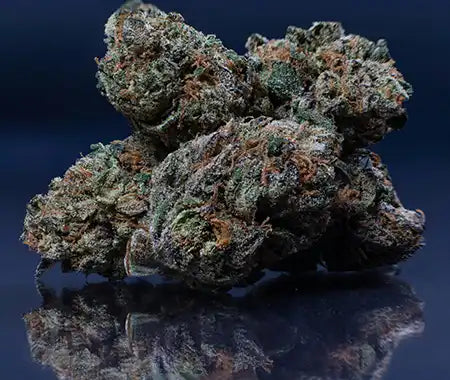
 Sativa-dominant (60 % Sativa, 40 % Indica)
Purple Haze Highlights
Parents
Taste & Smell
Effect
Terpenes

The key facts at a glance:
1. The History of Purple Haze
Discover how Purple Haze achieved cult status not only as a legendary cannabis strain, but also as a symbol of the creative spirit of the 1960s, and continues to impress with its unique effect to this day.
Learn More
2. The Genetics and Effects of Purple Haze
Discover the special genetics of Purple Haze and find out why its unique flowers and energetic effect make it a real favourite among sativa lovers.
Learn More
3. Growing Purple Haze
Learn how to unlock the full potential of your Purple Haze with the right steps, from germination to harvest and beyond.
Learn More
4. Effects, THC Content & Legal Status 2026
Sativa or indica, THC content, duration of effect, and what the law says in Germany.
Learn more
Purple Haze – explained in brief
Purple Haze is a sativa-dominant strain (around 60% sativa, 40% indica) with a THC content of about 17–20%. The effect is considered creative, energetic and euphoric – a clear, activating head effect rather than couch-lock. In terms of flavour, a berry-sweet aroma with an earthy note dominates. The flowering time is around 9–10 weeks. Its genetics come from the cross of Purple Thai and Haze.
If you've been into cannabis for a while, the name Purple Haze is surely familiar to you. This legendary cannabis strain has won the hearts of many consumers not only for its iconic purple flowers, but also for its unique combination of taste, aroma and effect. It's no wonder that Purple Haze is one of those strains that, even after decades, still ranks at the very top of many growers' and recreational users' lists. But what actually makes this cannabis strain so special? Is it the genetics, the high THC content or perhaps its unmistakable terpene profile?
In this article, we take a detailed look at the Purple Haze plant and its special features. From genetics to cultivation and tips for the perfect grow, we'll show you how to get the most out of this exceptional strain. Whether you already have experience growing cannabis or are just cultivating your first plants: with the right tricks, you can make sure your Purple Haze not only looks good, but also reaches its full potential.
The History of Purple Haze
When you think of Purple Haze, the cannabis strain probably isn't the only thing that comes to mind – there's also the song “Purple Haze” by Jimi Hendrix from the 1960s. This song undoubtedly helped make the strain famous worldwide and tied it to a certain attitude to life. Today the name stands for creativity, freedom and the psychedelic zeitgeist – qualities that can also be found in the plant's effect.
The exact origins of Purple Haze are somewhat unclear, but many breeders assume it emerged from a cross between Haze and Purple Thai. This mix led to the purple-coloured flowers and a rather energetic, clear effect that is typical of many sativa strains. Purple Haze reached the peak of its popularity in the 1970s, and even though the cannabis market has evolved considerably since then, it remains a treasured classic for many consumers.
The Genetics and Effects of Purple Haze
The unique characteristics of Purple Haze can be traced back to its special genetic origin. As a hybrid of Haze and Purple Thai, it has inherited features that set it apart from other strains. The most striking is of course the flowers' signature purple colouring, which arises from a combination of cooler temperatures and the genetic influences of the Purple Thai line. But the genetics of Purple Haze go far beyond its appearance.
The strain offers a relatively high THC content, typically between 15 and 20 percent. This potency produces a predominantly cerebral effect that many describe as uplifting and inspiring. This makes Purple Haze especially popular among sativa lovers who prefer a clear, energetic high that gets the mind going. CBD, on the other hand, is barely present, which makes this strain less suitable for those who are more interested in the calming effects of cannabidiol.
When it comes to taste and aroma, the genetics of Purple Haze produce a special blend. The flowers give off a combination of sweet-fruity and spicy notes that create a versatile flavour experience when consumed. This balance of genetics, effect and aroma has secured Purple Haze its firm place among the best-known cannabis strains worldwide.
Is Purple Haze sativa or indica?
Purple Haze is sativa-dominant: the consensus is around 60% sativa and 40% indica.
This clearly places Purple Haze in the sativa camp, even though many suppliers set the sativa share even higher (sometimes towards 70% or more). The indica share provides a physically noticeable foundation, while the sativa genetics shape the character: activating, head-focused, sociable. The genetics go back to the cross of Purple Thai and Haze – two strains known for their clear, energetic character.
In practice, this means for you: Purple Haze behaves more like a typical daytime sativa than a heavy evening indica. Anyone looking for a distinctly relaxing, calmer effect usually reaches for indica-dominant strains – Purple Haze pulls in the other direction.
How high is the THC content of Purple Haze?
Purple Haze usually has a THC content between 17 and 20%; individual lab and supplier figures reach up to around 24%.
This puts Purple Haze among the medium-strong to strong strains. The exact value varies depending on phenotype, growing conditions and harvest time – the same strain can show markedly different percentage values with two different growers. A notable CBD content plays practically no role in Purple Haze; the strain is clearly THC-focused.
Important to know: the percentage only tells you how much THC is in the flower, not how strongly you experience it. Dosage, tolerance and method of consumption also play a part. A grinder for evenly broken-down material and an activated carbon filter for a softer, cooler draw help make the experience more controlled.
How does Purple Haze work and how long does the effect last?
The effect of Purple Haze is mostly described as creative, energetic and euphoric – a clear, head-focused effect rather than physical heaviness.
Many consumers report a stimulating, sociable head high that gets thoughts moving and lifts the mood. The sativa character makes Purple Haze a strain associated more with activity, conversation or creative pursuits than with the sofa. The slight indica share rounds the whole thing off with a gentle physical undertone.
The duration of the effect depends heavily on quantity, method of consumption and individual tolerance and can't be stated in minutes across the board – when smoking, the effect usually sets in faster and wears off sooner than with oral intake. These are experiential values from consumers, not medical statements.
What does Purple Haze taste like and which terpenes are in it?
Purple Haze tastes berry-sweet with an earthy note; the typical terpenes often cited are myrcene, terpinolene and pinene – and, depending on the phenotype, linalool too.
When you open it, the first thing you notice is the fruity aroma reminiscent of forest berries, underlaid by a sweet-earthy base and slightly spicy-herbal nuances. Myrcene contributes the earthy-fruity depth, terpinolene a fresh, floral tone and pinene a slightly resinous, pine-like freshness; in some phenotypes, linalool adds a floral nuance. Terpene profiles do fluctuate depending on origin and phenotype, though – fixed percentage values can't be guaranteed.
To let the terpenes fully come into their own, the right handling pays off: evenly ground material burns more cleanly, and an activated carbon filter in the draw takes out some of the harshness, so the fine aromatic notes come through more clearly. That way, noticeably more of the berry character is preserved.
How long is the flowering time and how do you grow Purple Haze?
Purple Haze has a flowering time of around 9–10 weeks and is considered comparatively uncomplicated to grow.
Depending on the source and conditions, the range is given as about 8 to 11 weeks. Purple Haze grows vigorously and can become tall, as is typical for sativas – well over a metre indoors, and sometimes towards two metres outdoors. So anyone growing indoors should plan enough vertical space or start training early. Outdoors, the harvest is usually due in October.
The yield is considered solid, and its robustness makes the strain interesting for less experienced growers too. This note is purely informational – when growing, always comply with the legal situation applicable in your country.
How to enjoy Purple Haze at its best – the right accessories


Growing Purple Haze
Whether you're an experienced grower or just starting out, growing the Purple Haze strain can lead to great results with the right steps. Here's a simple step-by-step guide on how to get the best out of your plants:
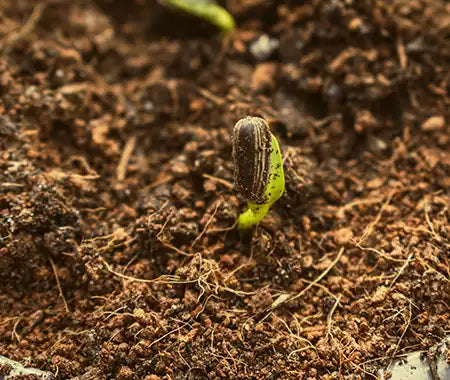
1. Germination and Preparation
Before you start growing, you need to germinate your Purple Haze seeds. You can do this with the paper towel method or directly in soil. Make sure the germination process takes place at a consistently warm temperature (around 20–25 °C) so that germination goes optimally.
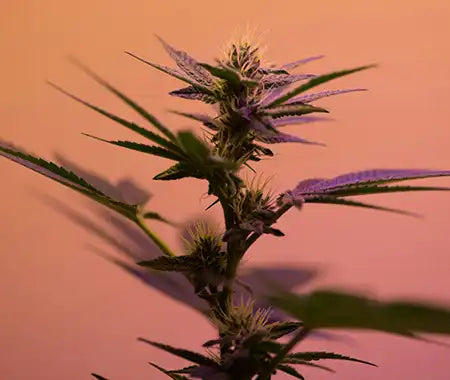
2. The Growth Phase
Once your hemp seeds have germinated, plant them in well-aerated soil or a hydroponic system. Purple Haze loves plenty of light, so make sure your plants get at least 18 hours of light per day during the growth phase if you're growing indoors. Use nutrients with a high nitrogen content to promote vegetative growth and achieve maximum yield.
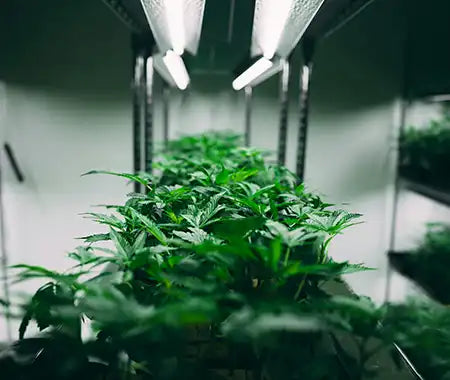
3. Initiating the Flowering Phase
After about 4 to 6 weeks of the growth phase, in indoor grows you can initiate the flowering phase by switching the light cycle to 12 hours of light and 12 hours of darkness. Outdoor growing has the advantage that the flowering phase is triggered naturally by the seasons – Purple Haze is relatively insensitive to small temperature fluctuations, which also makes it well suited for beginners.

4. Controlling Temperature and Humidity
During the flowering phase, it's especially important to keep an eye on temperature and humidity. Keep the temperature at around 20–28 °C and reduce the humidity to prevent mould from forming. If you're growing outdoors, the cool night air can intensify the purple colouring of the flowers and thus enhance the appearance of the Purple Haze strain.
5. Determining Harvest Time
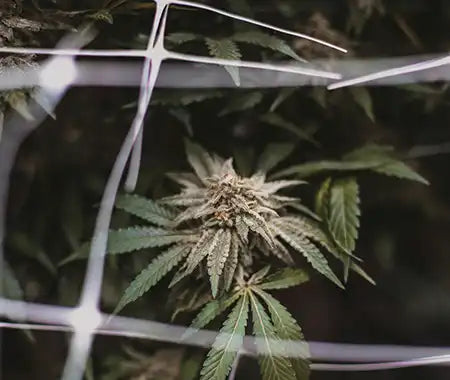
After about 9 to 10 weeks of flowering, it's time to harvest. The flowers are ripe when the trichomes – small resinous glands on the flowers – take on a milky to amber colour. You'll notice that Purple Haze develops its full euphoric effect when harvested at the right time. The right harvest time maximises both yield and THC concentration.
6. Drying and Curing
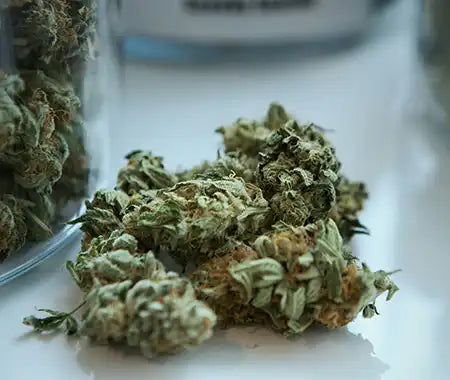
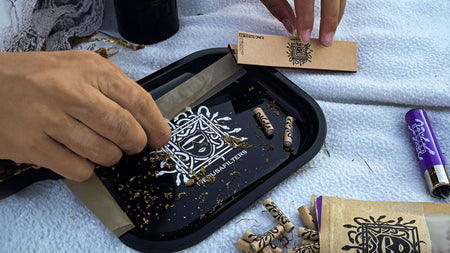
After harvesting, the flowers need to be dried and cured slowly in order to develop their full aroma and effect. Afterwards, for a particularly clean and pleasant smoking experience, you can use the high-quality Medusafilters activated carbon filters which reduce harmful substances and allow for smoother smoking – perfect for enjoying the full flavour experience of your Purple Haze.
Is Purple Haze legal in Germany? (as of 2026)
In Germany, cannabis has been legal for adults within clear limits since the Cannabis Act (KCanG) of 1 April 2024 – unchanged as of 2026. The most important key points:
- Possession: up to 25 g when out and about, up to 50 g at home.
- Home cultivation: up to 3 plants per adult, protected from access by minors.
- Consumption bans: not within sight of schools, children's and youth facilities, playgrounds and sports grounds.
- Passing on & selling remain prohibited.
This is a general overview and not legal advice. These limits do not apply to accessories such as filters, papers or grinders – smoking accessories are freely available.
Frequently Asked Questions (FAQ) about Purple Haze
Whether about growing, consuming or simply out of curiosity, questions about Purple Haze keep coming up. Here you'll find the answers to the most common questions, to give you an even more comprehensive overview of this special strain.
Purple Haze is sativa-dominant. The consensus in the strain profile is around 60% sativa and 40% indica, and many suppliers cite an even higher sativa share. The character is accordingly head-focused and activating, not heavy. The genetics come from the cross of Purple Thai and Haze.
The THC content is usually between 17 and 20%, with some figures reaching around 24%. This makes Purple Haze medium-strong to strong. The exact value depends on phenotype, cultivation and harvest time, which is why the same strain can show different percentage values. CBD plays practically no role.
The duration of the effect can't be stated across the board – it depends on quantity, method of consumption and individual tolerance. When smoking, the effect usually sets in quickly and wears off sooner; with oral intake it starts later and lasts longer. The effect itself is considered creative, energetic and euphoric. These are experiential values.
Purple Haze flowers for around 9–10 weeks, or about 8 to 11 weeks depending on the source and conditions. The strain grows tall, typical of sativas, and is considered uncomplicated to grow. Outdoors, the harvest is usually due in October, with a solid yield – which also makes it suitable for less experienced growers.
At 17–20% THC, Purple Haze is medium-strong – manageable for beginners, but to be dosed carefully. The sativa character is more stimulating than heavy. A low starting amount is important, because it's not the percentage alone but also tolerance and method of consumption that determine how strongly you experience it all.
A grinder breaks the flowers down evenly so they burn more cleanly. High-quality papers ensure a steady burn, and an activated carbon filter cools and smooths the draw, letting the fine berry aromas come through more clearly. This setup makes the smoking experience more controlled and pleasant – especially with an aroma-focused strain like Purple Haze.
Maybe also interesting for you?

Our Medusafilters Verdict
Over the years, Purple Haze has established itself as one of the best-known and most popular cannabis strains – and for good reason. Its exceptional genetics, striking purple colouring and unmistakable sweet-spicy aroma make it an exciting choice for consumers and growers alike. Whether you value it for its euphoric effect or its relatively easy growing characteristics, Purple Haze has earned its cult status.
For cultivation, it is well suited to both indoor and outdoor growing and, with the right care, delivers a solid yield. In terms of flavour, too, Purple Haze impresses with a complex blend of sweet and earthy notes. Anyone who wants to enjoy the full potential of this strain while smoking should also pay attention to high-quality products. In our Medusafilters Shop you'll find an extensive selection that takes your smoking experience to the next level.
Whether you're an experienced grower or just starting out, with Purple Haze you have a strain that will bring you joy in every respect. It stands not only for a rich harvest, but also for a piece of cannabis culture that still inspires to this day.