





Mimosa Strain: Aroma, Effect & What Makes It Special
 Hybrid (Sativa-dominant, 70 %)
Mimosa Strain Highlights
Parents
Taste & Smell
Effect
Terpenes

The key facts at a glance:
1. Where does the Mimosa Strain come from?
Discover the fascinating origin of the Mimosa Strain – an exceptional cross of Clementine and Purple Punch that has spread from California to dispensaries worldwide.
Learn more
2. What makes Mimosa such a special strain?
Find out why the Mimosa Strain is so special – from its uplifting effect and intense citrus aroma to its terpenes.
Learn more
3. How do you grow the Mimosa Strain correctly?
Learn here how to grow the Mimosa Strain – from the right growing conditions and the correct flowering time to the optimal harvest.
Learn more
4. Effect, THC content & legal situation 2026
Sativa or Indica, THC content, duration of effect – and what applies legally in Germany.
Learn more
Mimosa – briefly explained
Mimosa is a Sativa-dominant hybrid (around 70 % Sativa) from the cross Clementine × Purple Punch with a THC content of about 19–27 %. The effect is considered energetic, euphoric and focused, the taste fruity, citrusy and sweet. The flowering time is around 8–10 weeks. Dominant terpenes are limonene and caryophyllene, complemented by myrcene and pinene.
Not only the name recalls a zesty citrus cocktail – the Mimosa Strain delivers exactly what you would expect from it: an intense aroma, a refreshing effect and a perfect balance of energy and relaxation. This Sativa-dominant hybrid strain impresses with a unique blend of Clementine and Purple Punch, which gives it not only its sweet, fruity taste but also a versatile effect.
But what is behind the hype around Mimosa? How does it work, what does it really taste like and what should you keep in mind when growing it? In this article you will learn everything you need to know about this special cannabis strain – from its genetics and terpenes to the best tips for consumption and care.
Where does the Mimosa Strain come from?
The Mimosa Strain was developed by the Californian breeder group Symbiotic Genetics, known for their high-quality hybrid crosses. With Mimosa, they wanted to create a strain that perfectly combines flavour and effect – and they succeeded.
Mimosa owes its origin to the deliberate cross of two exceptional strains: Clementine and Purple Punch. The idea was to unite the invigorating properties of Clementine with the gently relaxing effects of Purple Punch, creating a strain that impresses not only with its effect but also with its intense aroma.
After its introduction, Mimosa quickly spread through the West Coast cannabis scene and gained popularity within a short time. Its unique character made it a sought-after choice in dispensaries and coffee shops, especially in the USA. By now it has also arrived in Europe and ranks among the most coveted strains for consumers looking for a balanced, versatile variety with a high recognition value.
Modern cannabis breeding focuses more and more on more intense aromas, improved resin production and specific effect profiles – Mimosa is a perfect example of this development and shows how innovative genetics can set new standards.
What makes Mimosa such a special strain?
The Mimosa Strain is known for its uplifting and energetic effect, which shows especially at moderate amounts. Users report that Mimosa offers a balance between mental clarity and physical relaxation – ideal for anyone looking for a gentle Sativa kick with a pleasant Indica note.
With a THC content of 19 to 27 %, Mimosa is one of the stronger hybrid strains. At higher doses, the Indica genetics can come more to the fore and trigger deeper relaxation. At moderate amounts, on the other hand, the strain provides focus, creativity and good mood, which makes it especially popular for daytime use or social moments.
Its unique terpene profile gives Mimosa a pronounced citrus-like aroma with a hint of spicy, fruity and earthy notes. The terpene limonene in particular, found in many citrus fruits, contributes to its mood-lifting effect. Added to this are caryophyllene with its spicy, peppery note and myrcene, which underlines the strain’s properties described as calming.
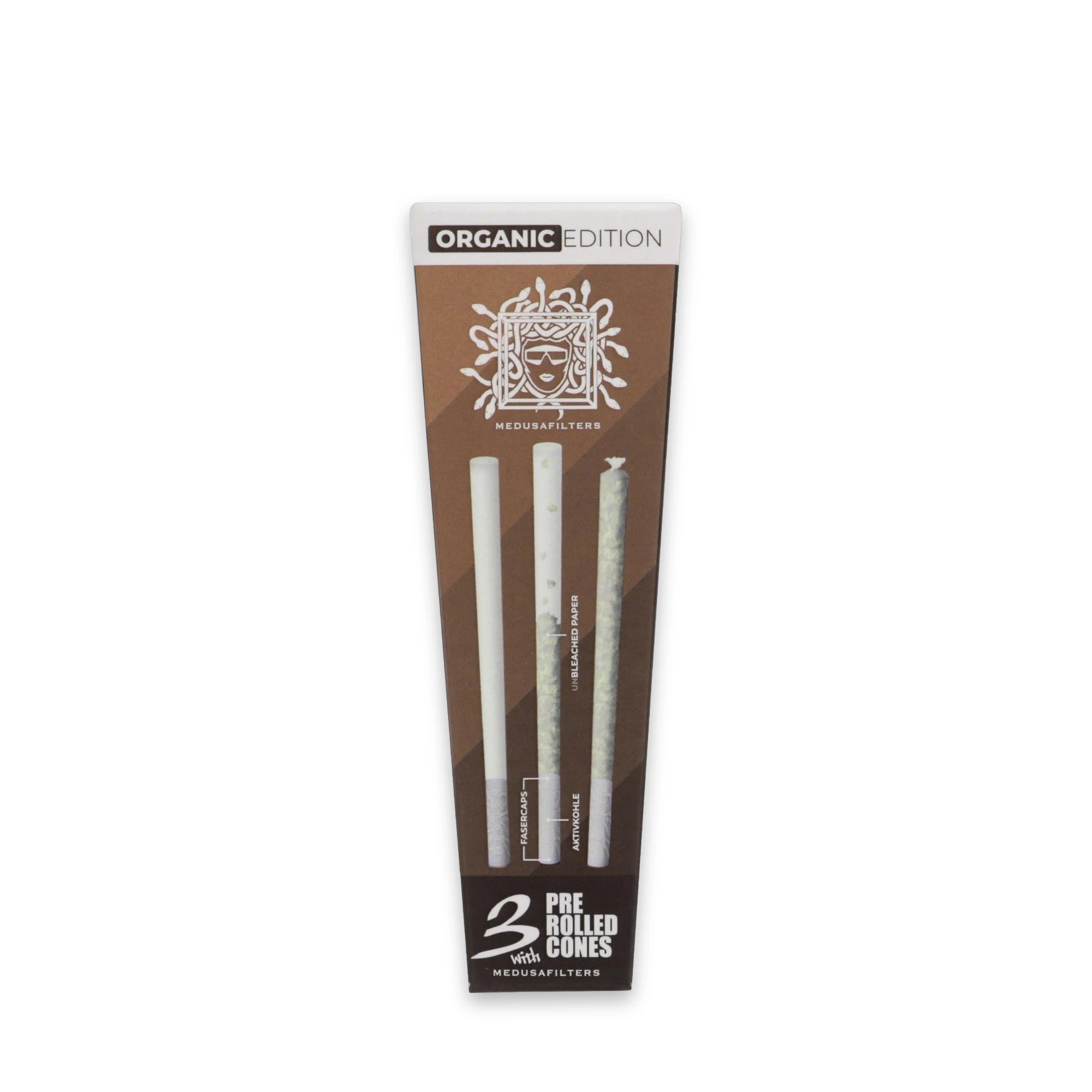
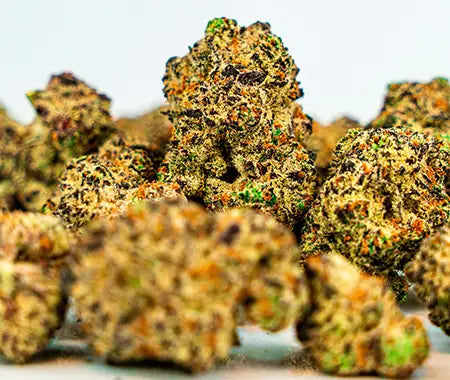
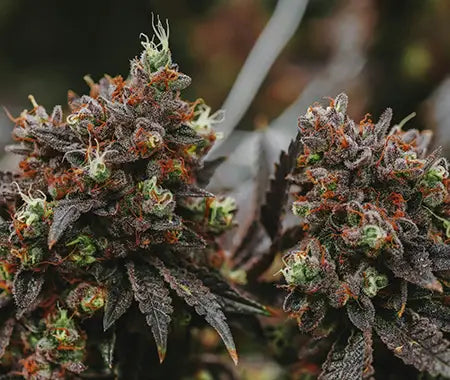
Mimosa is also a looker: the buds are compact and dense, with a thick layer of bright orange hairs and glistening trichomes. This striking appearance makes it a real eye-catcher not only in dispensaries but also among home growers.
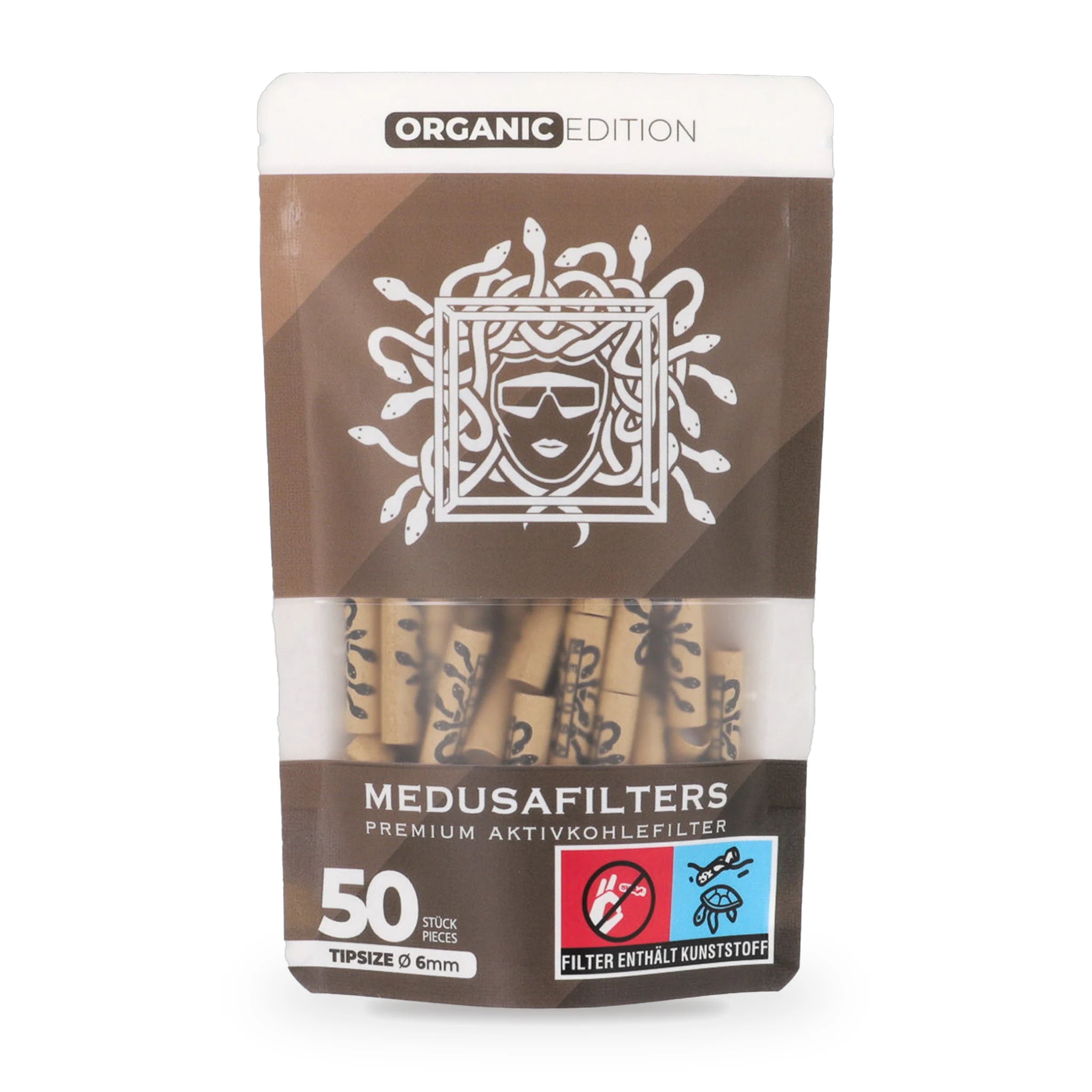
For a pleasant smoking experience, Mimosa should be ground gently – a Spike Grinder is particularly well suited here, as it preserves the delicate terpenes. And anyone who wants to enjoy the full aroma can ensure a smoother, pollutant-reduced smoke with Medusafilters activated carbon filters.
Our product recommendations for your more pleasant smoking experience

How do you grow the Mimosa Strain correctly?
The Mimosa Strain is known for its robust and resilient nature, which makes it attractive for both indoor and outdoor grows. Its compact growth form and the dense, resinous buds, however, call for the right care to develop yield, potency and aroma to their full potential. Here are the six most important steps for a successful grow:
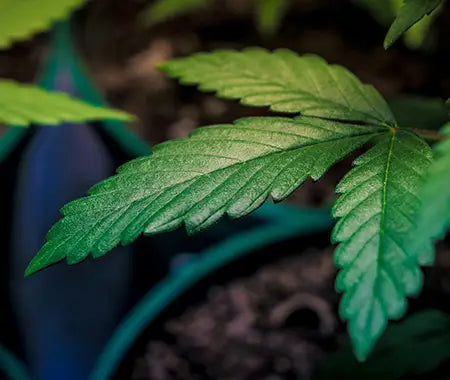
1. The right growing location:
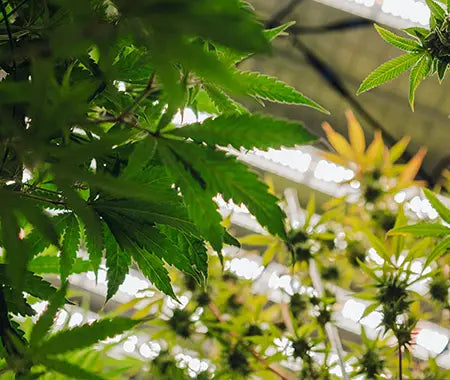
Mimosa can be grown both indoors and outdoors. Indoor grows offer the advantage of stable control over temperature, humidity and light, which has a positive effect on the THC content and the terpene profile. Outdoors, Mimosa prefers a dry, warm climate, similar to the Mediterranean region or California. Excessive humidity should be avoided, as it makes the dense buds more susceptible to mould formation.
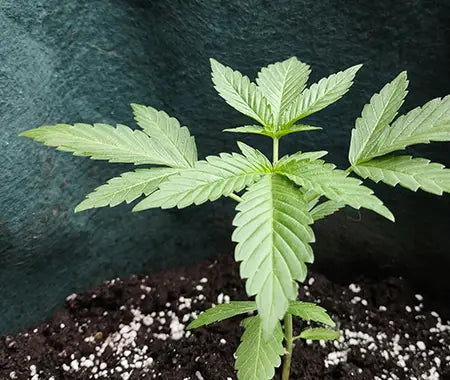
2. Create optimal growing conditions:
Mimosa thrives best at temperatures between 21 and 26 °C and a humidity of 50 to 60 % during the growth phase. As soon as the flowering time begins, the humidity should be lowered to 40 to 50 % to maximise resin production. Good air circulation is essential to avoid mould and diseases.
3. Adjust light and nutrient supply:
Indoor growers should use powerful LED or HPS lamps with at least 600W, while outdoor plants need at least 10 hours of direct sunlight per day. During the flowering phase, targeted fertilisation with potassium and phosphorus is recommended to promote bud growth and resin production.
4. Manage the flowering time correctly:
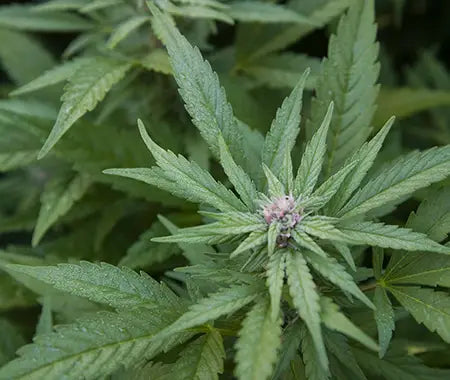
Mimosa has a flowering time of about 9–10 weeks. During this phase it is advisable to reduce watering slightly to develop the terpenes optimally. Low-stress training (LST) can help to ensure an even distribution of light and increase the yield. Indoors, Mimosa delivers yields of 400 to 500 g/m² under ideal conditions, while outdoors up to 600 g per plant are possible.
5. Choose the perfect harvest time:
The best results are achieved when the trichomes are milky white to amber-coloured – a clear sign that the plant has reached its highest THC content. Harvesting too early can impair potency and aroma, which is why regular checking under a magnifying glass is recommended.
6. Drying and curing for the final product:
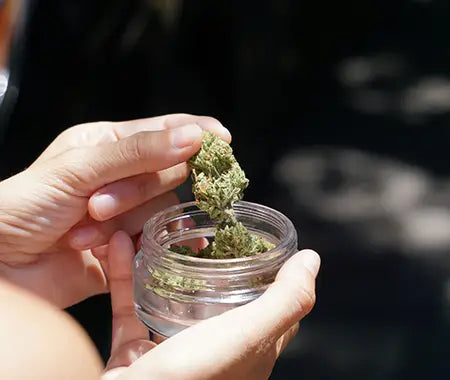
After the harvest, the buds should be dried slowly over 10–14 days, ideally at a humidity of 45 to 55 %. This is followed by curing in airtight jars for at least two weeks to intensify the terpene profile and make the smoke milder.
Is Mimosa legal in Germany? (As of 2026)
In Germany, cannabis has been legal for adults within clear limits since the Consumer Cannabis Act (Konsumcannabisgesetz, KCanG) of 1 April 2024 – unchanged as of 2026. The most important key points:
- Possession: up to 25 g when out and about, up to 50 g at your residence.
- Home cultivation: up to 3 plants per adult person, protected from access by minors.
- Consumption bans: not within sight of schools, facilities for children and young people, playgrounds and sports venues.
- Passing on & sale remain prohibited.
This is a general overview and not legal advice. For accessories such as filters, papers or grinders, these limits do not apply – smoking accessories are freely available.
Frequently asked questions about the Mimosa Strain
Mimosa is one of the most exciting hybrid strains of recent years, but there are a few questions that keep coming up. How does Mimosa differ from other strains? What role do terpenes play in its effect? Here are five important questions and answers that will help you understand this strain even better.
Mimosa is a Sativa-dominant hybrid with around 70 % Sativa and 30 % Indica. It arose from the cross of Clementine (Sativa) and Purple Punch (Indica). The Sativa share shapes the alert, head-focused character, while the Indica part provides a light physical relaxation. This makes Mimosa more of a daytime strain.
The THC content of Mimosa is typically between 19 and 27 %, on average around 22–24 %. Individual cuts reach just under 30 % in rare cases, while other batches start at around 17 %. The exact value depends on phenotype, harvest time and drying, and should be read off the lab value for each batch.
The effect of Mimosa usually sets in quickly and, based on experience, lasts around two to three hours. The actual duration depends on the amount, individual tolerance and form of consumption. Typical is an energetic, euphoric start that fades more relaxed at higher doses. This information is based on experience and is not a medical statement.
The flowering time of Mimosa is around 8 to 10 weeks, often about 9 weeks. As a photoperiod strain, it benefits from a stable climate with controlled temperature and humidity. Outdoors it is usually ready to harvest in October. Cooler nights towards the end of flowering intensify the characteristic purple hues.
Because of the high THC content of up to 27 %, Mimosa is only recommended for beginners with caution. Anyone with little experience should start with a small amount and gradually work their way up. The clear, alert effect is considered easy to control, but can become intense at higher doses. For adult use only.
For a well-rounded experience, a simple setup is worthwhile: a grinder chops the flowers evenly, thin papers stay flavour-neutral, and an activated carbon filter makes the draw noticeably softer and cooler. This lets the fruity, citrusy aromas come through better without changing the effect. Airtight, cool storage additionally preserves the freshness.
Maybe also interesting for you?

Our Medusafilters conclusion
The Mimosa Strain is a true premium variety that stands out with its fruity, citrus-like aroma, its versatile effect and its robust way of growing. The combination of Clementine and Purple Punch makes it an energetic hybrid that can be used both for the day and for relaxed moments.
With a THC content of up to 27 %, Mimosa offers a noticeable yet balanced effect. While in smaller amounts it provides focus and creativity, at higher doses it can trigger a deep physical relaxation. Thanks to its rich terpene profile, Mimosa unfolds an intense citrus flavour with spicy and earthy undertones, which makes it a popular choice for anyone who values an exceptional taste experience.
Anyone who wants to enjoy the full potential of Mimosa should rely on high-quality accessories: a Spike Grinder helps to grind the buds gently, while Medusafilters activated carbon filters ensure a smoother, pollutant-reduced smoking experience. Whether growing or consuming – Mimosa offers a unique combination of flavour, potency and enjoyment that rightly makes this strain so popular.
Sources:
https://www.leafly.com/strains/mimosa
https://www.royalqueenseeds.com/us/blog-mimosa-a-potent-pretty-and-flavourful-strain-n1473?
https://www.allbud.com/marijuana-strains/sativa-dominant-hybrid/mimosa
Is Mimosa Sativa or Indica?
Mimosa is a Sativa-dominant hybrid with a ratio of around 70 % Sativa to 30 % Indica. The strain arose from the cross of Clementine and Purple Punch.
The Sativa dominance clearly shapes the character: the clear, head-focused basic tone comes from the Clementine parent, while Purple Punch contributes the Indica-heavy, relaxing side and the purple hues. In the SERP consensus, Mimosa is almost consistently listed as Sativa-dominant with an approximately 70/30 split – the information from the breeder Symbiotic Genetics and the major strain databases agree here.
In practical terms this means: Mimosa feels more like a daytime strain than an after-work strain. The Sativa share provides the alert, active impression, while the Indica share prevents the effect from tipping over into nervousness. If you want to read up on the exact genetics: the parents are Clementine (Sativa) and Purple Punch (Indica).
How high is the THC content of Mimosa?
The THC content of Mimosa is typically between 19 and 27 % depending on phenotype and cultivation, on average around 22–24 %. This makes the strain one of the above-average potent varieties.
The values vary between sources: some database entries state from 17 %, while ambitious growers and individual cuts reach just under 30 % in rare cases. The reliable consensus of most strain profiles settles at around 22–24 %. The actual content depends heavily on the cut, the harvest time and the drying – one and the same strain can differ by several percentage points from batch to batch.
For context: a high THC value does not automatically mean a better experience, but above all a more intense one. Besides THC, the terpenes (especially limonene and caryophyllene) also shape the overall impression. For your dosage the rule is: first look at the concrete lab value of the respective batch instead of relying on a blanket average.
How does the Mimosa Strain work and how long does the effect last?
Based on experience, Mimosa has an energetic, euphoric and focused effect – a clear, head-focused effect with a slightly relaxing body feeling. The effect usually sets in quickly and often lasts around two to three hours.
Users describe Mimosa above all as a daytime strain: in smaller amounts, many report an alert, motivated and sociable feeling that goes well with creative or active activities. At higher doses, according to user reports, the impression shifts more towards physical relaxation, sometimes to the point of tiredness – typical of a hybrid with a noticeable Indica share.
The duration of the effect is individual and depends on the amount, tolerance and form of consumption. This information is based on experience and is not a medical statement. If you want to make the draw more pleasant, you can use an activated carbon filter – it makes the smoke noticeably softer and cooler without changing the effect.
What does Mimosa taste like? Taste & aroma
Mimosa tastes fruity, citrusy and sweet, with a distinct orange and mandarin note. This is mainly due to the terpene limonene.
The name says it all: the aroma is reminiscent of the orange juice cocktail of the same name. At the forefront is a bright citrus note, complemented by sweet, slightly berry-like hints from the Purple Punch heritage and a subtle earthy, spicy base. Besides limonene, caryophyllene (spicy, peppery), myrcene (fruity, herbal) and pinene (fresh, slightly resinous) contribute to the terpene profile.
For the aromas to come into their own, preparation plays a role: a grinder chops the flowers evenly so that terpenes and smoke unfold better, and thin papers hold back on their own flavour. Freshness and correct storage (cool, dark, airtight) preserve the citrus note – material that is too dry quickly loses aroma.
Flowering time & cultivation: How long does Mimosa take?
The flowering time of Mimosa is around 8 to 10 weeks, usually about 9 weeks. It is a photoperiod strain that benefits from a controlled climate.
Mimosa is considered moderately difficult to grow: the plant responds gratefully to stable temperature and humidity values as well as clean ventilation. Indoors, the yields can be controlled through techniques such as topping or a SCROG net; outdoors the strain needs a mild, sunny climate and is usually ready to harvest in October. The purple hues emerge more strongly with cooler nights towards the end of flowering.
For a good yield, patience until the right harvest time as well as careful drying and curing count. It is precisely this last step that strongly determines how pronounced the aroma and effect turn out in the end. Legal note: when growing, always observe the applicable legal regulations in force.