

Do it yourself: how to harvest cannabis on your own

Harvesting cannabis is an important step for anyone interested in growing and using this plant. The harvest requires careful planning, attention and expertise to achieve the best results. From the ideal time to harvest to proper drying, there are numerous factors to consider. This guide offers a comprehensive overview of the cannabis harvesting process along with practical tips to achieve the desired quality and potency in your final product.
When is cannabis ready to harvest?
Cannabis is ready to harvest when most of the trichomes shimmer milky-cloudy and individual ones turn amber. Check the resin glands with a loupe: glassy clear means too early, milky stands for the peak of the active compounds, a lot of amber has a more sedating effect. In addition, around 70 to 90 percent of the flower hairs turn from white to brown and curl up.
The key facts about the cannabis harvest
When is the right time for the cannabis harvest?
Harvesting cannabis isn't so simple. Here you'll learn when you can start harvesting and what you need to keep in mind.
Read more
A step-by-step guide to harvesting cannabis
We give you a precise guide on how to harvest your plants correctly to achieve the best possible results.
Read more
The start of the indoor season
Learn how you can grow your favourite plant all year round.
Read more
4. Answers to the most common questions
Answered directly – plus what applies legally and which accessories fit.
Learn more
When is the right time for the cannabis harvest?
The timing of a cannabis harvest is crucial and depends on a variety of factors, including the specific strain of the cannabis plant, the environmental conditions during growth, and the personal preferences and goals the grower had in mind when cultivating. It is a complex process that requires thorough assessment and a deep understanding in order to achieve the best possible results. A general guide to the optimal harvest time is the state of the trichomes on the cannabis flowers. These tiny resin glands contain the sought-after cannabinoids, including THC and CBD, which are responsible for the desired effects [1]. When the majority of trichomes change from a clear to a milky colour, this often indicates the peak THC content of the flower [1]. This means that the plant has now finished its flowering phase and is ready to harvest. Interestingly, some experienced growers prefer a later harvest time, when part of the ripe trichomes take on an amber colour. This can indicate a higher ratio of cannabinol (CBN) [1]. The choice of the optimal harvest time can therefore depend heavily on individual preferences and the desired final product. To determine the harvest time precisely, close observation of the trichomes under a microscope is often required. This allows the grower to accurately assess the plant's degree of ripeness and to determine the perfect moment for the harvest. It is a critical step that significantly influences the quality and potency of the final product [1].
A step-by-step guide to harvesting cannabis
Preparing for the harvest
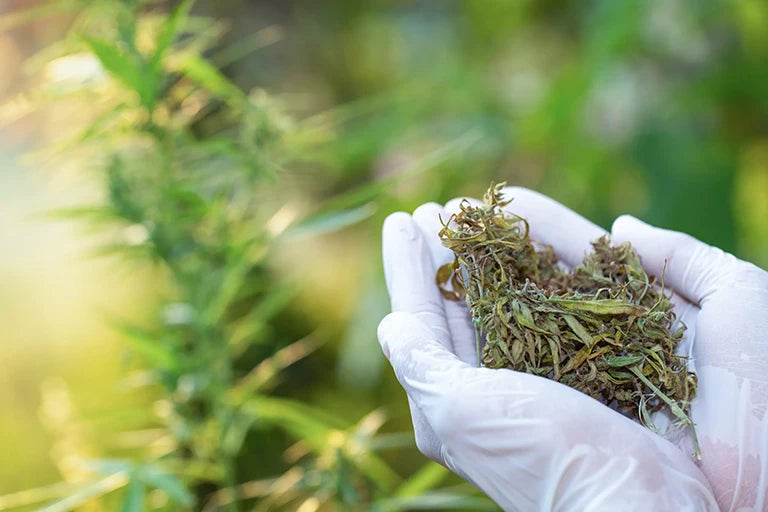
Preparing for the harvest is a crucial step for any cannabis grower who wants to achieve high-quality results. It involves several important aspects, including obtaining the right equipment and creating a suitable working environment. One of the most fundamental requirements for the harvest is the availability of high-quality tools. These include sharp scissors or a precise knife, used to cut the plant parts precisely without damaging them. Gloves are also essential to protect the hands from potential irritants and resins that can be released during the harvesting process. In addition, suitable containers are needed to safely store and transport the cut plant parts. These should be clean and easy to clean to avoid contaminating the harvest. It is advisable to use containers made of non-reactive materials to ensure that they do not release any unwanted chemicals or residues [2]. Another important aspect of preparing for the harvest is organising the work area. This includes cleaning and disinfecting all work surfaces and tools to minimise potential contamination of the harvest [2].
New regulation in Germany from April 2024:
From 1 April 2024, a new legal framework for handling cannabis will apply in Germany. This change provides for the legalisation of the possession of up to 25 grams of cannabis for personal use as well as the cultivation of up to three cannabis plants. In addition, communal cultivation in so-called cannabis clubs will be possible under strict conditions. For more information, please visit the official page of the German Bundestag.
Now the cannabis plant is harvested
The actual harvesting process begins with precisely cutting off the plant parts that have the highest concentration of trichomes, usually the flowers. These tiny resin glands contain the sought-after cannabinoids and terpenes. In addition to the flowers, leaves with fewer trichomes can also be collected, as they can be used to make extracts and other cannabis products. During the harvesting process, it is essential to handle the plants carefully so as not to damage the delicate trichomes [2]. By using sharp, precise tools and working in a calm, deliberate manner, growers can ensure that their harvest is of the highest quality and that no nutrients are lost [2].
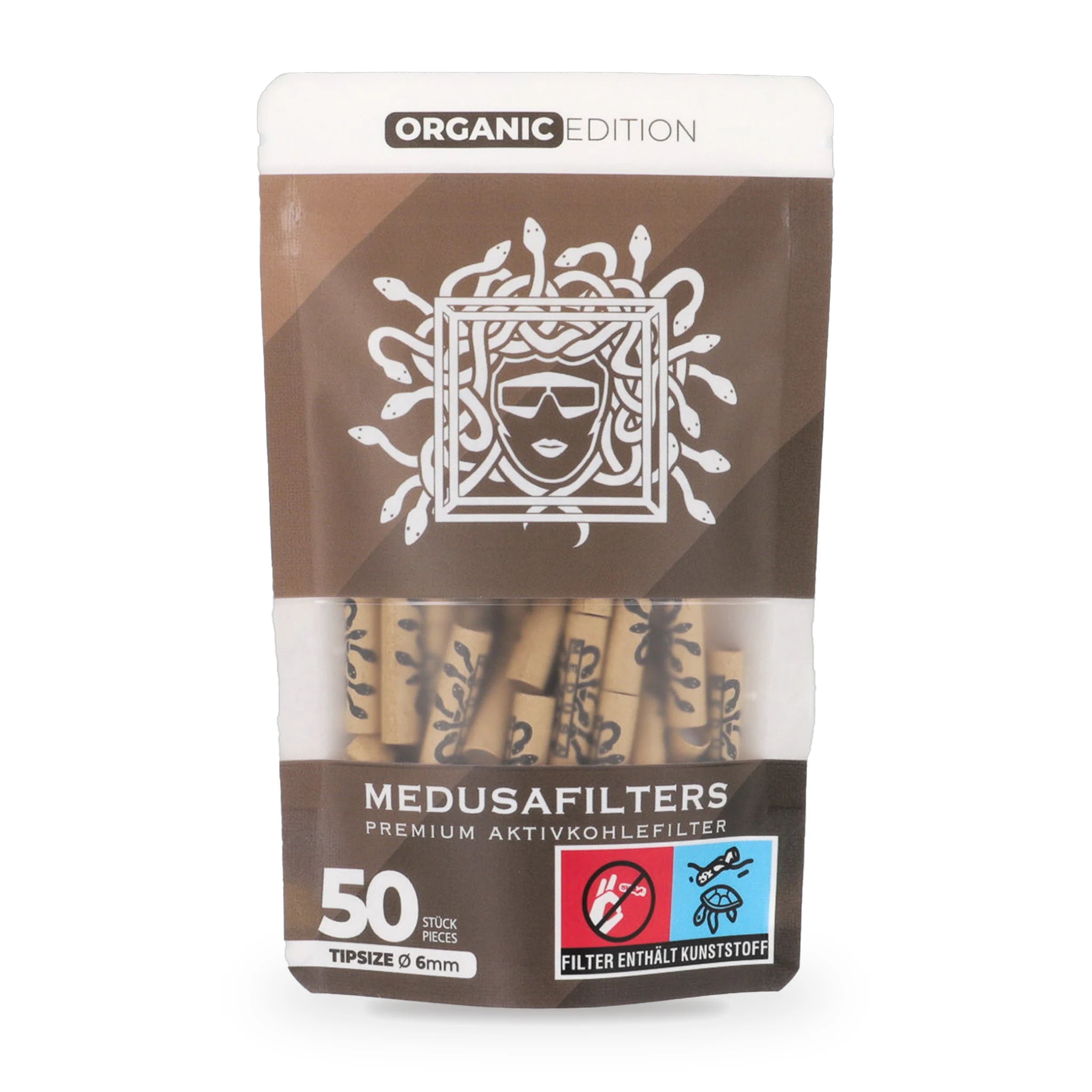
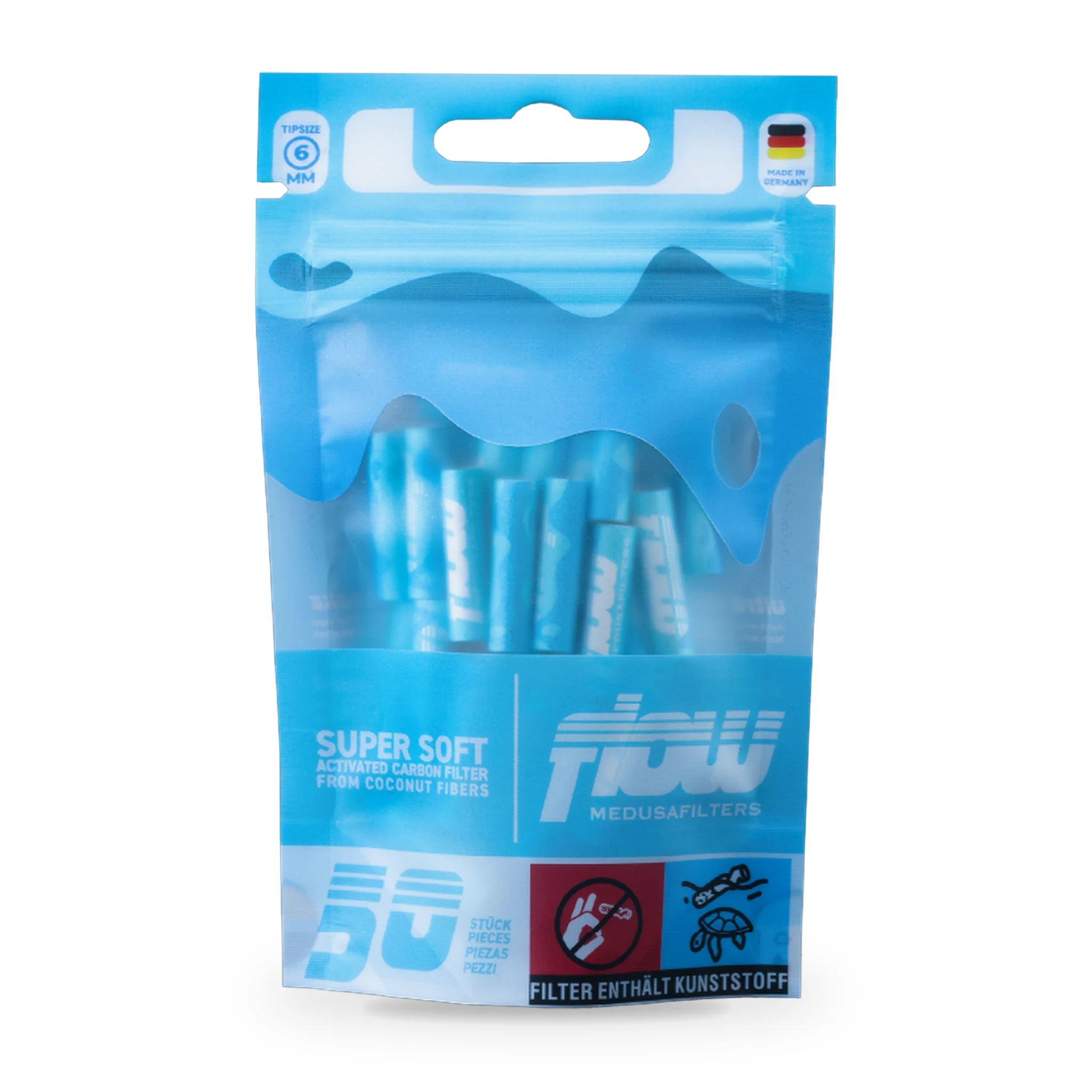
The right accessories from Medusafilters


Drying and curing the cannabis harvest
After a successful harvest of the cannabis plant, the next step in the process is drying. This procedure is crucial, as it significantly influences the quality of the final product [2]. The dried plant parts must be hung in a controlled environment to ensure even drying. A dark, well-ventilated room is ideal for the cannabis drying process [2]. This not only ensures protection from light, which can break down the delicate cannabinoids, but also allows sufficient air circulation to dissipate moisture [2]. A relative humidity of between 45-55% is optimal to avoid drying that is too fast or too slow while at the same time minimising the risk of mould formation [2]. The temperature during the drying process is also of great importance. Ideally, the ambient temperature should be between 18 and 22 degrees Celsius [2]. This moderate temperature allows for slow, even drying that preserves the plant's aromas and active compounds. Too high a temperature can cause the cannabinoids to evaporate or break down, while too low a temperature prolongs the drying time and increases the risk of mould formation [2]. Depending on the environment and the specific characteristics of the plants, the drying process can take between one week and up to ten days. It is important to monitor progress regularly and to ensure that the plants are completely dry before they are further processed or stored [2]. Thorough drying is the key to a high-quality final product with optimal aromas, potency and shelf life [2].
The start of the indoor season
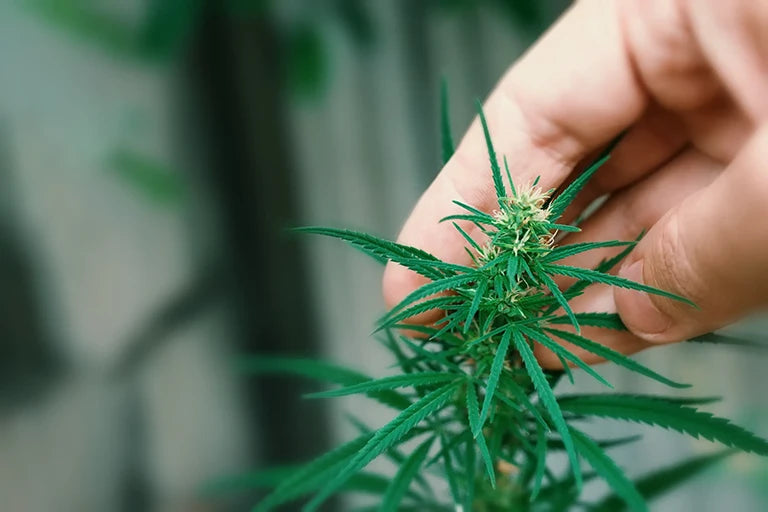
After the harvest season, the indoor season begins, marking the starting signal for year-round cannabis cultivation, independent of fluctuations in outdoor weather conditions. This method allows growers to precisely control and optimise the conditions for the growth and development of their plants [3]. Planning the indoor season requires careful coordination with the life cycle of the cannabis plants, from the germination of the seeds through to the harvest. It is important to consider every step of the growth process in order to ensure optimal conditions for the plants to thrive [3]. This includes selecting suitable seeds, setting up an efficient watering and fertilising system, and implementing a suitable light source and ventilation [3].
The cannabis harvest is a complex process characterised by careful planning, attention and expertise. From the timing of the harvest to the drying, there are many aspects to consider in order to achieve the desired quality and potency of the final product. It is important to continuously stay informed about proven methods and current developments in order to achieve the best possible results and ensure a successful cannabis harvest.
Here you'll find more on the topic of cannabis

Is this legal in Germany? (as of 2026)
Since the Consumer Cannabis Act (KCanG) of 1 April 2024, cannabis has been legal in Germany for adults within clear limits – unchanged as of 2026. The most important key points:
- Possession: up to 25 g when out and about, up to 50 g at your place of residence.
- Home cultivation: up to 3 plants per adult person, protected from access by minors.
- Consumption bans: not within sight of schools, children's and youth facilities, playgrounds and sports venues.
- Passing on & selling remain prohibited.
This is a general overview and not legal advice. These limits do not apply to accessories such as filters, papers or grinders – smoking accessories are freely available.
Frequently asked questions about cannabis
The most reliable indicator is the trichomes, the small resin glands on the flowers. If they are glassy clear, it's too early; milky-cloudy marks the peak of the active compounds; predominantly amber-coloured means over-ripeness. A second sign is the flower hairs: when 70 to 90 percent have turned from white to brown and curl up, the harvest is getting closer. It's best to check the trichomes with a jeweller's loupe.
Ideally in the morning, just before the lights come on or the sun rises. During the dark phase the plants draw in and store resin and terpenes in the flowers, so the terpene content is highest in the morning. Also harvest when the flowers are dry, not right after watering or when there is dew, to prevent mould during drying.
Usually seven to fourteen days. Hang the branches upside down in a dark, airy room at about 18 to 20 degrees and around 50 percent humidity. It's fully dried when thin stems snap when bent instead of bending. This is followed by curing in an airtight jar, which improves the quality over several more weeks.
If you harvest too early, the active compounds are not yet fully developed — the effect and yield turn out weaker, and the smoke often tastes grassy. If you harvest too late, the trichomes turn from milky to amber, the effect becomes heavier and more sedating, and some of the active compounds break down. The ideal point lies in between: predominantly milky trichomes with a few amber-coloured ones.
After curing, it's best to break up the flowers with a grinder — the Aluminium Spike Grinder from Medusafilters grinds evenly and is gentle on the resin glands. If you want a cooler, filtered draw, you can additionally use an activated carbon filter (6 mm): the activated carbon filters and cools the smoke, so the draw is smoother and less harsh. This way the aroma of your harvest comes into its own.
Store the cured flowers in airtight jars in a cool, dark place away from direct sunlight. Light, heat and oxygen break down active compounds and terpenes and make the aroma fade. During the first weeks, open the jars occasionally (burping) so that residual moisture can escape. Optionally, you can keep the humidity stable at around 55 to 62 percent with a small humidity pack — this way the structure and aroma are preserved for a long time.
Sources
[1] Royalqueenseeds
[2] Sensiseeds
[3] Royalqueenseeds
When should you harvest cannabis?
Direct answer
The right time determines the aroma, effect and yield. Flowers harvested too early are weaker in effect, those harvested too late lose freshness. As a rule of thumb: harvest when around 70 to 90 percent of the flower hairs (pistils) have changed from white to orange or brown and curl up. This visual sign is a good initial guide, but does not replace a look at the trichomes. Most strains are ready indoors after about eight to ten weeks of flowering, outdoors depending on the climate in September or October. Observe your plant daily during the last week of flowering instead of rigidly following the calendar. Every strain matures differently, and factors such as light, temperature and nutrients can shift the ideal point by a few days.
Recognising the harvest time by the trichomes
Direct answer
Trichomes are the small, mushroom-shaped resin glands on flowers and sugar leaves — and the most reliable ripeness indicator. They can hardly be assessed with the naked eye, which is why a jeweller's loupe (about 60x) or a small pocket microscope is worthwhile. The colour of the trichome heads is decisive:
- Glassy clear: not yet ripe — the active compounds are not fully developed, harvesting now costs effect and yield.
- Milky-cloudy: the peak of the active compounds and, for most, the ideal harvest time.
- Amber-coloured: the effect becomes heavier and calmer — a few amber heads are desirable, a large proportion means over-ripeness.
A proven goal is a mix of predominantly milky and a few amber trichomes. Check several spots on the plant, as upper flowers often ripen faster than lower ones.
Harvesting cannabis: step by step
Direct answer
Harvesting means: cut the plant, trim the flowers and hang them up to dry. Here's how to proceed step by step:
- Flushing: In the last one to two weeks, water only with plain water so that nutrient residues are washed out and the aroma becomes cleaner.
- Final trichome check: On harvest day, check the resin glands one last time with the loupe.
- Cutting: Cut the plant at the stem or in individual branches — ideally in the morning, before the lights come on, when the resin content is highest.
- Trimming: Remove the large fan leaves, and the small sugar leaves to taste. Wet trim can be done right away, dry trim only after drying.
- Hanging: Hang the branches upside down in a dark, well-ventilated room and begin the drying process.
Drying and curing after the harvest
Direct answer
After cutting, two phases follow: slow drying and subsequent curing. To dry, you hang the branches upside down in a dark, airy room. Around 18 to 20 degrees and a relative humidity of about 50 percent with gentle air movement have proven effective — no fan pointed directly at the flowers. The slower the flowers dry, the better the aroma and terpenes are preserved. After about seven to fourteen days, the point is reached when thin stems snap when bent instead of just bending. This is followed by curing: the flowers go into airtight jars, which you briefly open daily during the first weeks (so-called burping), so that residual moisture escapes and mould does not form. Two to four weeks of curing make the smoke noticeably smoother and the aroma rounder.
Avoiding common mistakes during the harvest
Direct answer
Even with a perfect bloom, the harvest can fail. These mistakes most often cost quality:
- Harvesting too early or too late: Anyone who only looks at the calendar or the flower hairs easily misses the trichome optimum.
- Drying too fast: Heat, sun or a direct draught drive out the moisture too quickly, the aroma suffers and the smoke becomes harsh.
- Skipping the curing: Without curing, flowers stay sharp in taste and less aromatic.
- Too much residual moisture: If moist flowers are sealed airtight, mould threatens — regular burping is a must.
- Crushing the trichomes: Rough handling when trimming and transferring tears off the resin glands where the active compounds sit.
Anyone who keeps these points in mind secures the full result of their work.
Legal situation for home cultivation in Germany (as of 2026)
Direct answer
Since the Consumer Cannabis Act (KCanG) of 1 April 2024, private home cultivation has been permitted for adults in Germany under certain conditions. As of 2026, you may grow up to three plants at a time at home, exclusively for your own use. Upper limits apply to possession: up to 25 grams of dried cannabis when out and about, and up to 50 grams in your own home. You must store your harvest safely and separately, out of the reach of children and adolescents. Cultivation is limited to your place of residence, and passing on and selling remain prohibited. Please also note that individual federal states and municipalities can set additional rules, such as minimum distances from schools. This section provides only a general overview and is not legal advice — when in doubt, check the currently applicable version of the law or seek legal advice.