







Cannabis Sommelier: Training, Tasks and the Importance of Cannabis Experts

The key facts at a glance:
What is a cannabis sommelier?
Learn what a cannabis sommelier actually is and how their expertise in assessing cannabis strains makes a decisive contribution to quality assurance and to selecting the best products for consumers.
Learn more
The tasks of a cannabis sommelier
Discover how cannabis sommeliers ensure that cannabis products meet the highest standards through precise customer advice, strict quality assurance and continuous further training.
Learn more
Training and education to become a cannabis sommelier
Find out how training to become a cannabis sommelier can unfold – from the fundamentals of cannabis science through specialised courses to continuous further training.
Learn more
4. Answers to the most common questions
Answered directly – plus what the law says and which accessories are a good fit.
Learn more
What is a cannabis sommelier?
A cannabis sommelier is a trained tasting expert who evaluates cannabis strains by aroma, terpene profile, appearance and cultivation quality – much like a wine sommelier. They recognise strains by smell, assess drying and curing, recommend suitable moments of enjoyment and advise specialist shops, growers or consumers. The role combines sensory knowledge with botany, cultivation expertise and product communication.
When it comes to cannabis, there is demand for experts who not only recognise the subtle differences between various strains but also have the comprehensive knowledge to assess the quality and effects of cannabis products. Much like sommeliers in the wine industry, cannabis sommeliers are specialists who engage intensively with the sensory qualities, cultivation and effects of cannabis. But what exactly makes this profession so special? What training and knowledge are required to be recognised as a cannabis sommelier? And what tasks and responsibilities do these experts take on?
In this article we dive deep into the world of cannabis sommeliers and shed light on how they contribute to the quality assurance, selection and recommendation of cannabis products. Whether you are considering becoming a cannabis sommelier yourself or simply want to learn more about this exciting career – here you will find all the answers you need.
What is a cannabis sommelier?
A cannabis sommelier is an expert who specialises in the assessment and evaluation of cannabis products. The role of a cannabis sommelier goes far beyond simply sampling and involves in-depth knowledge of different cannabis strains, their cultivation methods, their chemical components and their influence on the human body.
Cannabis sommeliers play an important role in the cannabis industry, particularly in quality control and assurance. They not only assess organoleptic properties such as aroma, taste and consistency of the products, but also ensure that the products meet legal requirements and quality standards. This includes analysing cannabinoids such as THC and CBD, terpenes and other active compounds that influence the effect and aroma of cannabis.
In countries where cannabis is legal for medical or regulatory purposes, cannabis sommeliers often take on roles in pharmacies, specialised shops or with cannabis producers. They advise customers on the best products for their needs, help select the right strains and ensure that consumers have the best experience with their cannabis products. The profession of cannabis sommelier is therefore not only varied and exciting, but also crucial to the further development and establishment of the cannabis industry.
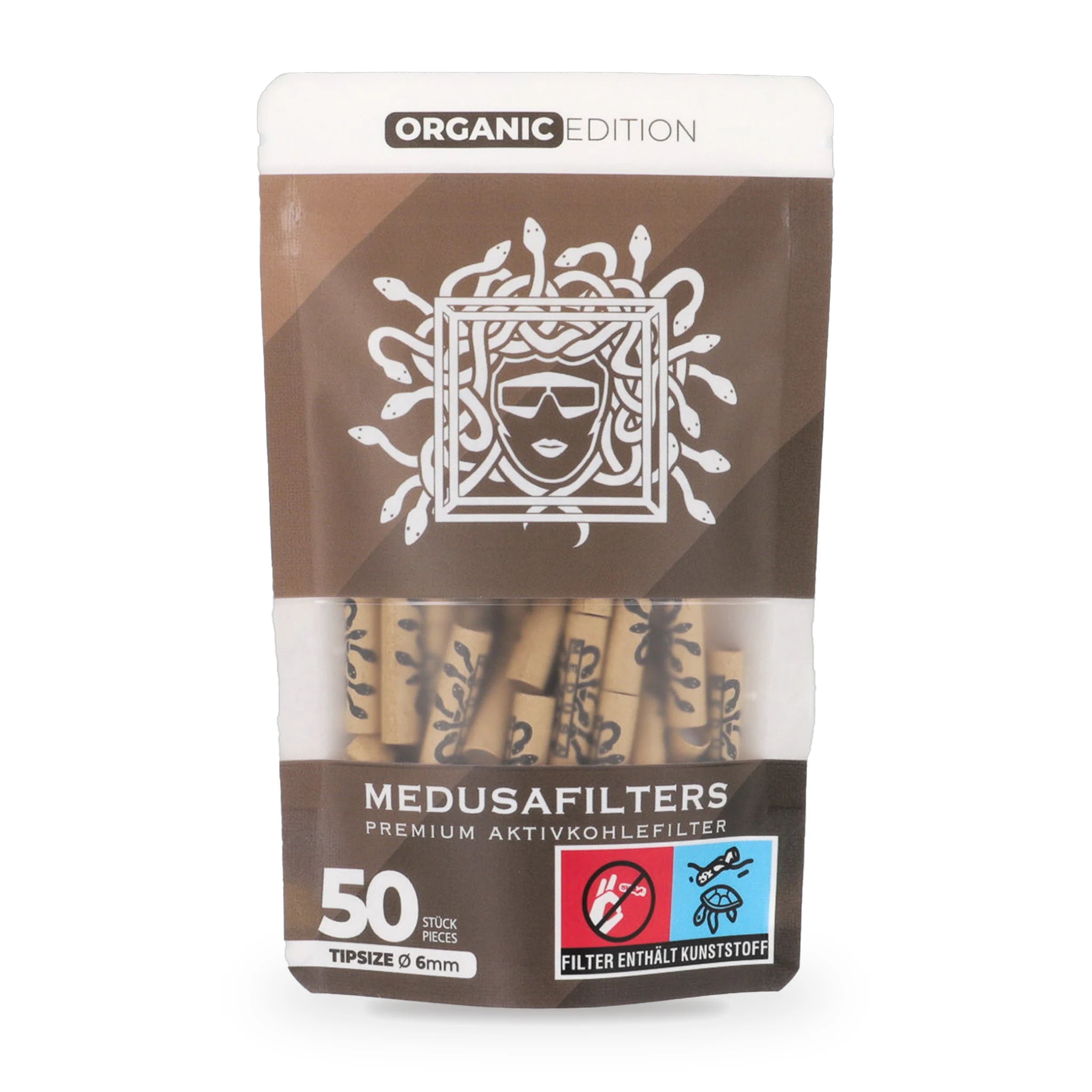
The right accessories from Medusafilters


The tasks of a cannabis sommelier
The tasks of a cannabis sommelier are varied and range from analysing and evaluating cannabis products to advising customers and assuring quality. Here are some of the main tasks that make this profession so special:
1. Product evaluation and analysis:
An important part of a cannabis sommelier's work is the thorough evaluation of cannabis flowers and products. This includes:
- Visual inspection: checking the flowers for quality, colour, trichomes (resin glands) and possible defects such as mould or contamination.
- Smell and taste test: analysing the aroma and flavour profile of the cannabis flowers. Terpenes, which are responsible for the aroma and taste, play a key role here.
- Chemical analysis: examining the cannabinoid and terpene content through laboratory tests to ensure that the products meet the stated specifications.
2. Advice and customer service:
Cannabis sommeliers are often in direct contact with customers and patients, particularly in pharmacies or cannabis shops. Their tasks in this area include:
- Personal advice: helping customers select cannabis products that match their individual needs, whether for medical purposes or recreational use.
- Explaining the effects: providing information about the various cannabinoids and terpenes, their effects and how they can influence well-being or the treatment of specific complaints.
3. Quality assurance:
Ensuring that cannabis products meet the highest quality standards is a central part of the job. This includes:
- Verifying the origin: making sure the products come from reliable and tested sources.
- Compliance with regulations: checking that the products meet all legal requirements and safety standards.
4. Further training and education:
A cannabis sommelier must constantly stay up to date with developments in the cannabis industry. This includes:
- Attending training sessions and courses: ongoing further training on new cultivation techniques, legal changes and product innovations.
- Training others: passing on expertise to other staff or customers to promote greater awareness and understanding of cannabis products.
These tasks make the profession of cannabis sommelier both demanding and incredibly varied. The combination of deep expertise, sensory skill and customer focus is crucial to success in this field.
Training and education to become a cannabis sommelier
Training to become a cannabis sommelier is crucial for acquiring the necessary expertise and skills. Since the industry is still relatively new and constantly changing due to progressing legalisation, there are various ways to prepare for this profession. Here are the most important aspects of the training and education:
1. Fundamentals of cannabis science
Before focusing on specialising as a cannabis sommelier, it is important to have a solid foundation in the fundamentals of cannabis science:
- Cannabinoids and terpenes: understanding the chemical compounds in cannabis that are responsible for the effect and aroma, such as THC, CBD and the wide range of terpenes. This knowledge is particularly relevant when assessing product selection and the quality of medical cannabis.
- Cultivation methods: knowledge of the various cultivation methods, including indoor, outdoor and greenhouse cultivation, and their influence on the quality of the end product. This knowledge is essential for correctly assessing the effects on the aroma and potency of cannabis products.
- Processing and extraction: knowledge of the methods for processing cannabis, including drying, curing and extraction techniques, is crucial for assessing product quality and end results.
2. Specialised training programmes
There are now specialised training programmes and courses tailored to the education of cannabis sommeliers. These programmes offer:
- Certificate courses: courses that impart basic knowledge and specialised skills, often with completion certificates that are an advantage for applicants on the job market.
- Practical training: hands-on training in which aspiring sommeliers learn to evaluate cannabis products and advise customers. This often also includes assessing medical cannabis, which is particularly important for a well-founded product selection.
3. Gaining experience
Practical experience is an essential part of the training. This can be gained in various ways:
- Internships: working in pharmacies, cannabis shops or cultivation operations to gain practical knowledge. Many years of experience in the industry can offer a considerable advantage for career development.
- Attending workshops: visiting workshops and trade fairs to become familiar with the latest developments and techniques in the cannabis industry and to learn about new trends such as aromas.
4. Continuous further training
The cannabis industry is constantly evolving, and it is important that cannabis sommeliers keep their knowledge up to date:
- Continuing education courses: regularly attending continuing education courses to stay informed about new research, legal changes and market trends. This is particularly relevant in times of progressing legalisation and a changing regulatory landscape.
- Networking: taking part in industry networks and professional associations to exchange ideas with other specialists and follow new developments. Exchanging ideas with long-standing experts can help deepen one's own expertise and improve the quality of advice.
The combination of theoretical knowledge and practical experience forms the basis for a successful career as a cannabis sommelier. The industry offers numerous opportunities for specialists who are willing to continuously train and deepen their expertise.
What does a cannabis sommelier do? The tasks
A cannabis sommelier evaluates strains sensorially, documents aroma and quality and translates this knowledge into recommendations for customers, specialist shops or growers.
The everyday work revolves around structured tasting. First they check the appearance: flower structure, trichomes, colour and trim quality. This is followed by smell analysis, in which they pick out and name individual terpenes such as myrcene, limonene or caryophyllene. They also assess how cleanly a strain has been dried and cured, because moisture and storage change the aroma considerably. Based on these impressions they create tasting notes, assign ratings and sort strains into profiles. Many sommeliers additionally advise specialist shops on strain selection, train staff, support growers with quality control or host tastings for adults. In countries with a legal market, editorial tasks are added: strain descriptions, menus and content. The common thread stays the same – assess quality objectively and communicate it clearly.
How do you become a cannabis sommelier? Training and courses
Cannabis sommelier training is usually a private certificate course that teaches sensory tasting, botany, terpene knowledge and quality assessment – online or in person.
Unlike the classic wine sommelier, there is no state-regulated training profession. Anyone who wants to become a cannabis sommelier usually completes private certificate programmes. Internationally known examples include the Ganjier certification or the Interpening method of the Trichome Institute, which trains the recognition of strains by appearance and smell. Typical content includes sensory basics, terpene and cannabinoid knowledge, cultivation and harvesting know-how, drying, curing and structured tasting according to a fixed scheme. The courses range from one-day workshops to multi-week programmes with an exam. In German-speaking countries, such offerings are only emerging gradually, which is why many interested people turn to English-language online courses. Important: a certificate is no substitute for practice. Anyone who wants to taste seriously trains their nose continuously, keeps an aroma journal and compares as many strains as possible under the same conditions.
Cannabis sommelier jobs: where do tasters work?
Cannabis sommelier jobs exist above all in legal markets such as the USA and Canada – for example in dispensaries, with growers, in quality control or as an author and consultant.
In regions with legal sales, a small job market has formed around tasting. Typical roles are quality inspectors at producers, buyers and curators for dispensaries, trainers for sales staff, specialist authors for strain descriptions and consultants for brands. Some sommeliers work freelance and combine tastings, content and consulting. In Germany the market is more strictly regulated, so classic full-time positions are correspondingly rare. More realistic here are adjacent activities: specialist retail for accessories, grow advice within the legally permitted framework, community building, blogs or social media. Anyone who wants to get started first builds up demonstrable expertise – through a certificate, documented tastings and a visible portfolio. Networking at trade fairs and in specialist forums helps as well. Since the legal situation is constantly changing, it is worth observing the market regularly and staying flexible.
Weed sommelier vs. wine sommelier: what is the difference?
“Weed sommelier” is just another word for cannabis sommelier. The principle is the same as with the wine sommelier: trained senses, clear vocabulary and structured evaluation – only for flowers instead of wine.
The comparison fits well, because both roles share the same craft: attentive perceiving, naming and classifying. Where the wine sommelier describes grape, terroir and ageing, the cannabis or weed sommelier talks about strain, cultivation, terpene profile and curing. The vocabulary is similar too – earthy, citrusy, spicy, floral, woody. Both work with appearance and smell, and where permitted, with taste. One difference lies in the maturity of the field: the wine sommelier has been established for decades and is structured by the state, while cannabis tasting is only just forming as a discipline. The term “weed sommelier” is often used colloquially, while “cannabis sommelier” sounds more professional and appears more often in course names. In terms of content, both mean the same thing: a person who recognises quality and explains it clearly.
Tasting cannabis correctly: step by step
Here's how to taste in a structured way: first the appearance, then the smell and – only as an adult within the legally permitted framework – the enjoyment, with every step cleanly documented.
A good tasting always follows the same order so that the impressions remain comparable. Take your time, work in good light and without disturbing smells in the room.
- Check the appearance: look at flower structure, colour, trichomes and trim quality.
- Calibrate your nose: briefly smell neutral skin, then gently press the flower and inhale deeply.
- Name the aroma: note your first association – citrusy, spicy, earthy, sweet or woody.
- Feel the structure: pay attention to moisture and curing; too dry and it crumbles, too moist and it seems musty.
- Grind: open it with an even grinder, which brings out further aromas.
- Document: record the strain, impressions and rating in a tasting journal.
Terpenes and aromas: what does a sommelier look for?
Terpenes are the fragrance compounds of the cannabis plant and a sommelier's most important tool: they determine whether a strain smells citrusy, spicy, earthy or floral.
Every strain has its own terpene profile, comparable to a fingerprint. Common terpenes are myrcene (earthy, musky), limonene (citrus-fresh), caryophyllene (peppery-spicy), pinene (pine-like) and linalool (floral, lavender-like). A cannabis sommelier trains to recognise these notes in isolation and describe them in combination. What matters here is a neutral, experience-based vocabulary rather than promises of effects – what is described is what the nose perceives. Besides the terpenes, processing plays a major role: clean drying and patient curing preserve the volatile aroma compounds, while heat, light and air break them down. That is why a sommelier always also assesses storage and freshness. Anyone who wants to train their own perception deliberately smells herbs, citrus peel and spices – this creates a reference archive in the mind.
Maybe also interesting for you?

Frequently asked questions about the cannabis sommelier
Here we answer some of the most common questions about the exciting field of cannabis sommeliers. Whether you want to learn more about the daily tasks or are wondering how to gain a foothold in this field yourself – here you will find a summary of some answers and insights.
A flat figure cannot be given credibly, because the profession is young and heavily dependent on the market. In legal countries such as the USA or Canada, dispensaries, growers and brands pay very differently – depending on the role, region and experience. Freelancers often combine tastings, consulting and content. In Germany, pure sommelier positions are still rare, so income usually comes from adjacent activities.
No. Cannabis sommelier is not a state-recognised training profession, but a private additional qualification. There is no legally protected title, which is why certificates depend on the reputation of the respective provider. Well-known international programmes include Ganjier or the Interpening method. Anyone who wants to appear credible combines a recognised certificate with documented practice, genuine tasting notes and a visible portfolio.
That depends on the programme. There are one-day workshops, multi-day intensive courses and multi-week certifications with an exam. Purely online basic courses can often be completed in a few days, while comprehensive programmes with tasting practice take considerably longer. In any case, what matters is less the length of the course than the subsequent, continuous training of your own nose over months.
A budtender advises on sales and knows the product range, while a cannabis sommelier is more deeply specialised in sensory evaluation, terpene knowledge and quality analysis. You can think of it like a waiter and a sommelier in the restaurant world: both work with the same product, but the sommelier brings additional tasting expertise. In practice, the roles often overlap, especially in smaller businesses.
For a clean tasting you need little, but the right things. A fine grinder like the Aluminium Spike Grinder breaks up the flower evenly without crushing it – so the aromas develop in a controlled way. For tasting, many reach for unprinted Longpapers King Size Slim, because thin, flavour-neutral paper overlays the aroma as little as possible. Add a tasting journal for your notes.
In principle yes, but realistically limited. The German market is more strictly regulated than, for example, the North American one, so classic full-time positions as a sommelier are rare. Adjacent paths are possible: specialist accessory retail, advice within the legally permitted framework, tastings for adults, specialist journalism or community work. Those who build up expertise early and keep an eye on the changing market gain an advantage.
Our Medusafilters verdict
In this blog article we have taken a detailed look at the professional profile of the cannabis sommelier – an expert who stands out through extensive expertise and many years of experience. We have shed light on the tasks, training and importance of these specialised professionals and explained why their role in the cannabis industry is becoming ever more important.
Besides expertise, the quality of the products used is also decisive when it comes to cannabis. For consumers – whether in the medical field or for enjoyment – high-quality products make the difference. The right equipment can significantly influence the effect and aroma of cannabis flowers.
Medusafilters offers a number of useful products here that make smoking more pleasant and more effective. Our activated carbon filters, for example, help you inhale fewer harmful substances, while the Premium Papers and the Spike Grinder ensure that you can enjoy the flowers in the best quality. With the right products you can make sure that your experience is not only safe but also particularly pleasant. Feel free to browse directly through our extensive shop and find the right products for your needs!